Scent is an ever-present part of daily life — from morning coffee to the cleaning and body-care products we use throughout our homes. But while many fragrances are marketed as floral or fresh, the reality is often more complex.
Most conventional “fragrances” are synthetic: blends made up of multiple undisclosed ingredients that can include irritants, allergens, and other potentially harmful compounds.
When you see the word “fragrance” on a label, it may represent a mixture of hundreds of different substances — without full transparency. That makes it hard to know exactly what you’re bringing into your home.
Choosing to reduce synthetic fragrance is a simple but powerful step towards a healthier, low-tox home environment. Here’s how to start.
Swap Conventional Cleaning Products for Natural Alternatives
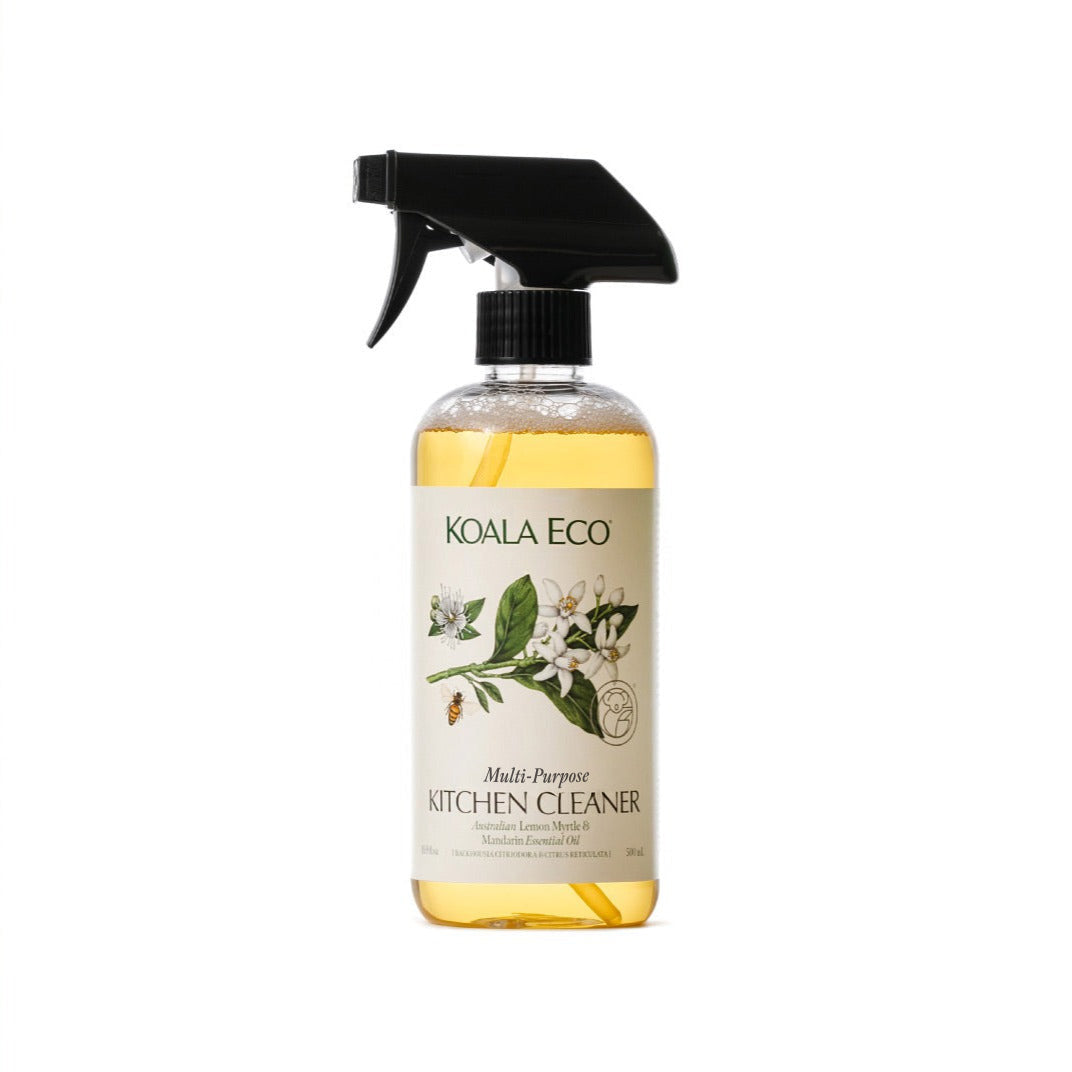
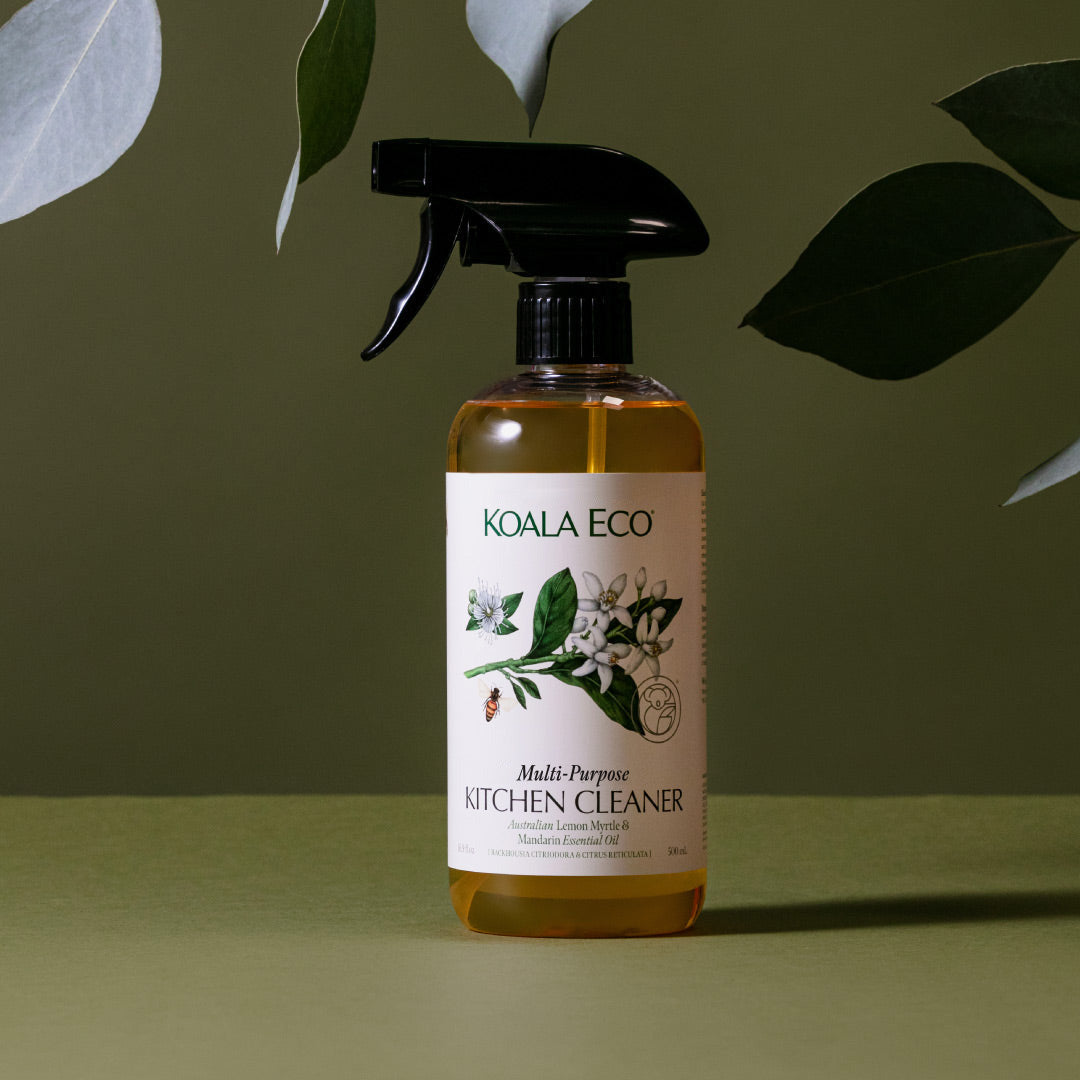
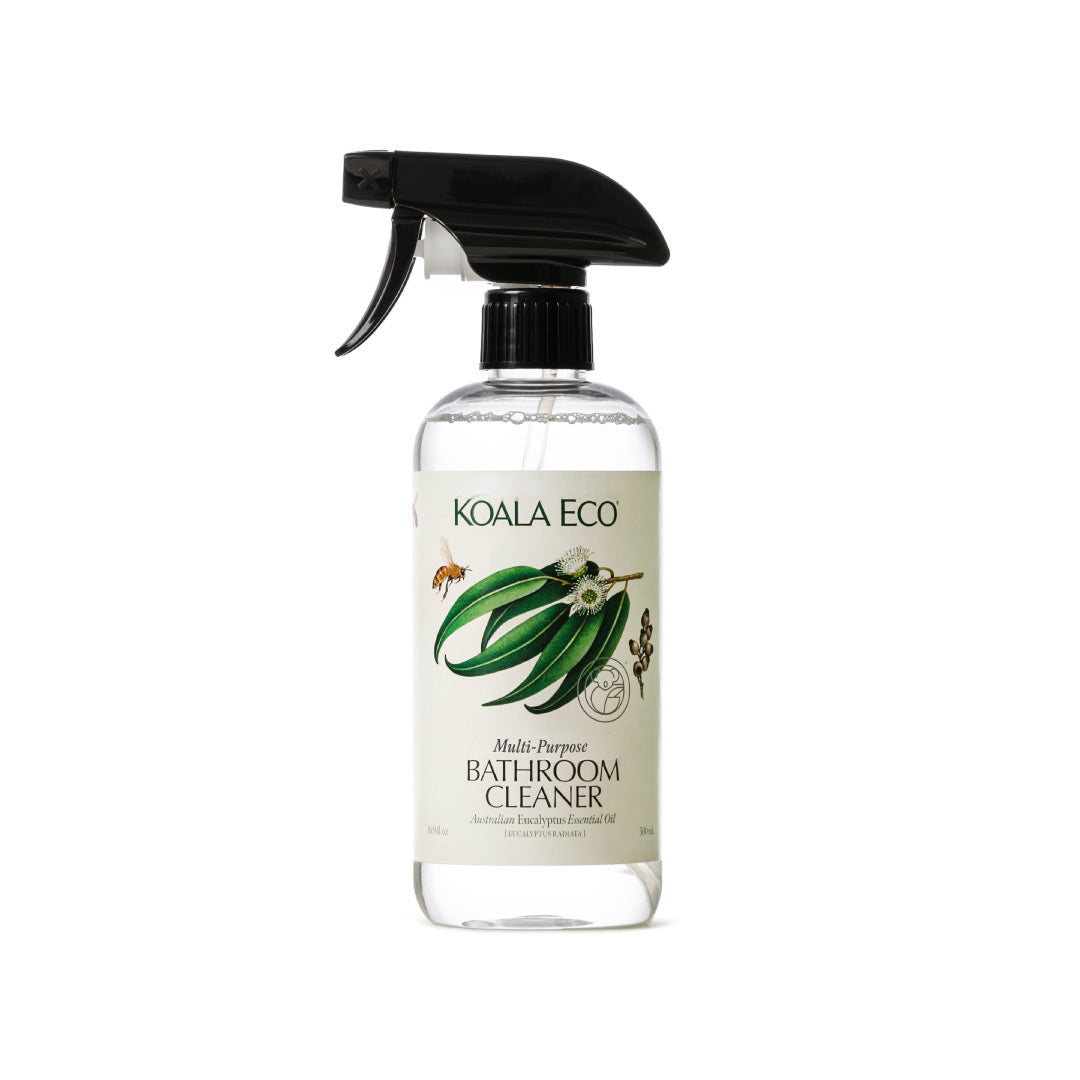
Many household cleaning products are marketed with botanical scents — lemon, lavender, eucalyptus — but often contain no real plant-derived ingredients. Those scents are recreated synthetically and listed simply as “fragrance.”
Switching to plant-based cleaning products made with pure essential oils is a more transparent and considered alternative.
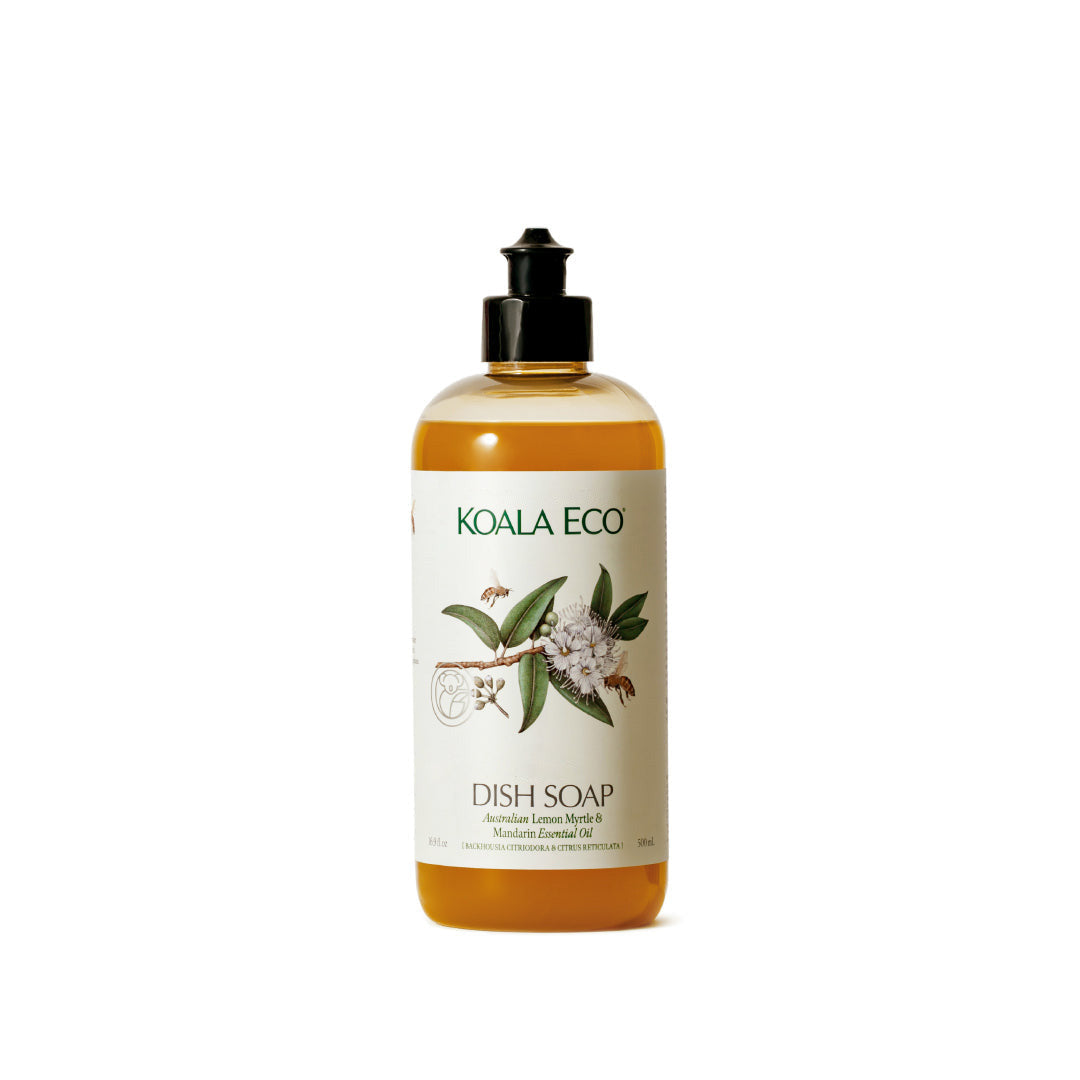
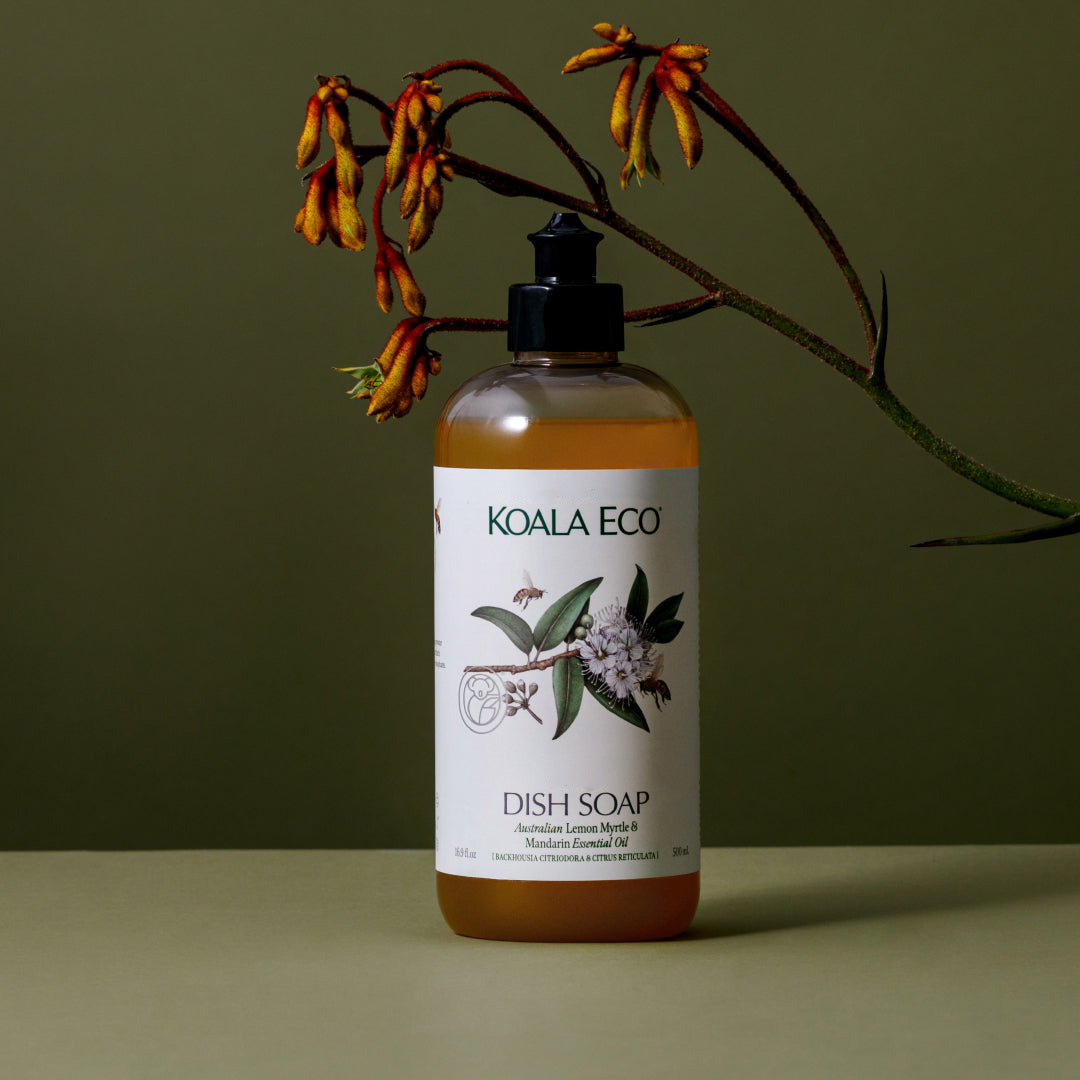
For example, our Natural Dish Soap is powered by lemon myrtle and mandarin essential oils. Naturally antibacterial and uplifting, it cuts through grease while bringing a fresh, authentic scent into your kitchen — without synthetic fragrance.
Choose Naturally Scented Bath and Body Products
Products we use on our skin are absorbed more directly into the body, making ingredient transparency especially important.
Opting for naturally derived formulations helps reduce unnecessary exposure to synthetic fragrance. Our Natural Body Wash — available in peppermint and rosalina, or lemon myrtle, pink grapefruit and peppermint — offers a gentle, aromatic cleansing experience that supports both skin and senses, turning a daily routine into a moment of calm.
Similarly, our Natural Hand Wash and Hand & Body Lotion are a simple way to carry uplifting essential oils with you throughout the day.
Identify Hidden Sources of Synthetic Fragrance
Synthetic fragrance turns up in more places than expected — air fresheners, candles, diffusers, laundry products, and even everyday household items like bin liners or dryer sheets.
A helpful starting point is to choose unscented versions where possible, or carefully check labels for terms like “fragrance,” “parfum,” or “perfume.” If the ingredient list doesn’t specify what’s inside that scent, it’s usually synthetic.
Bring Freshness Into the Home — Naturally
Creating a naturally fresh home doesn’t require synthetic scent.
Start with simple habits like opening windows daily to let fresh air circulate. Then, introduce pure essential oils to enhance your space.
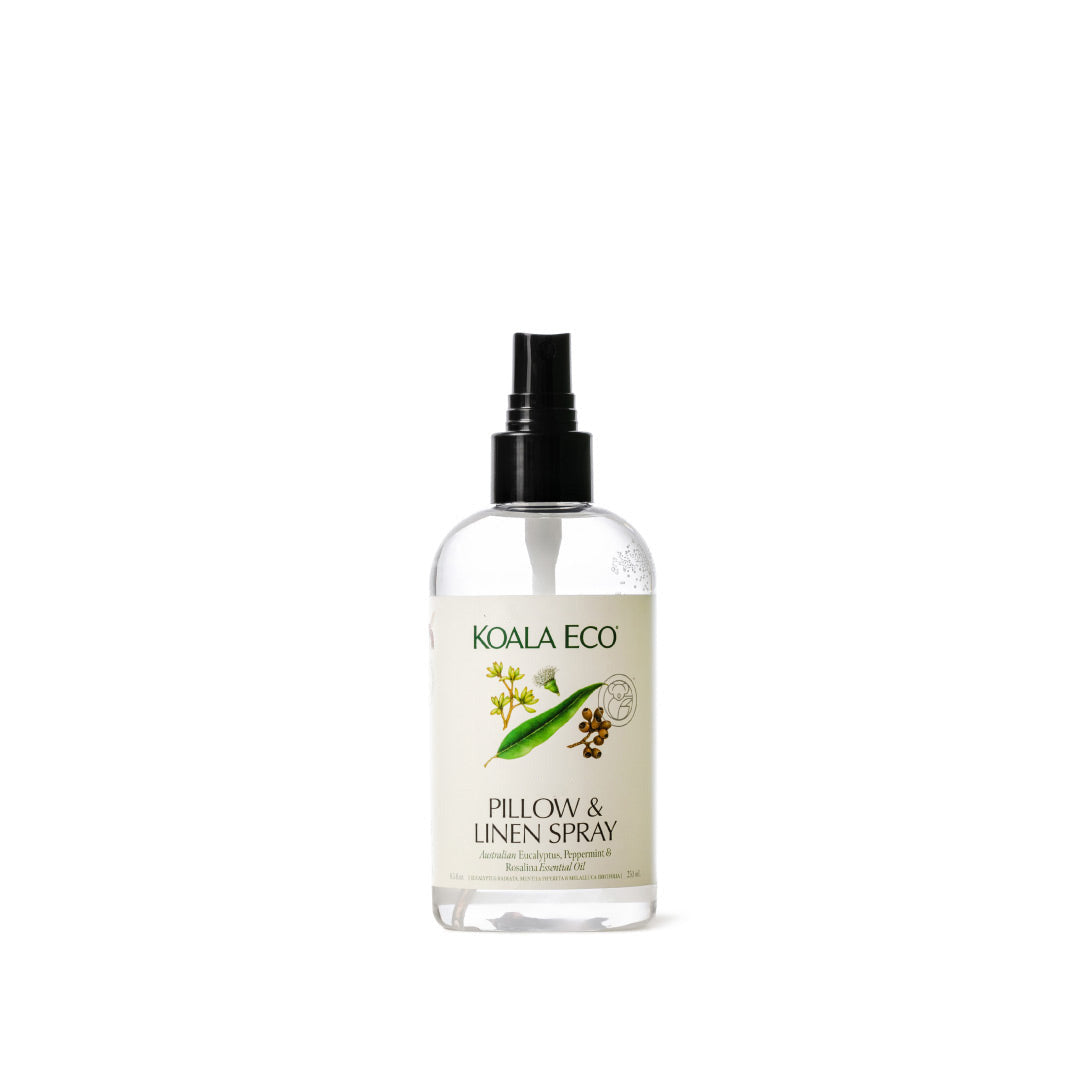
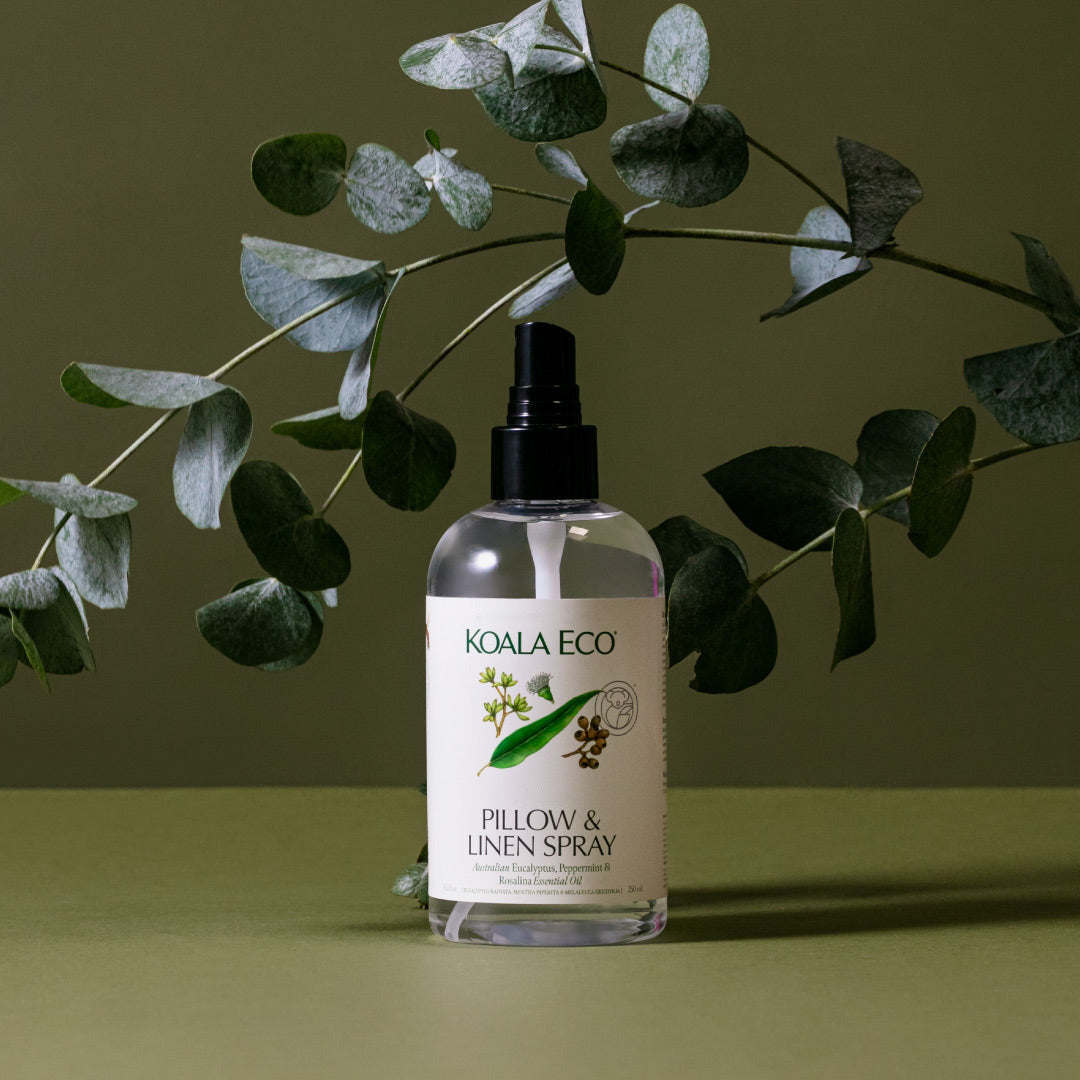
Our Pink Grapefruit & Peppermint Room Spray delivers an uplifting citrus refresh, while our Natural Pillow & Linen Spray brings a sense of calm to bedding and clothing — without relying on artificial perfumes.
A Simpler, More Natural Approach to Scent
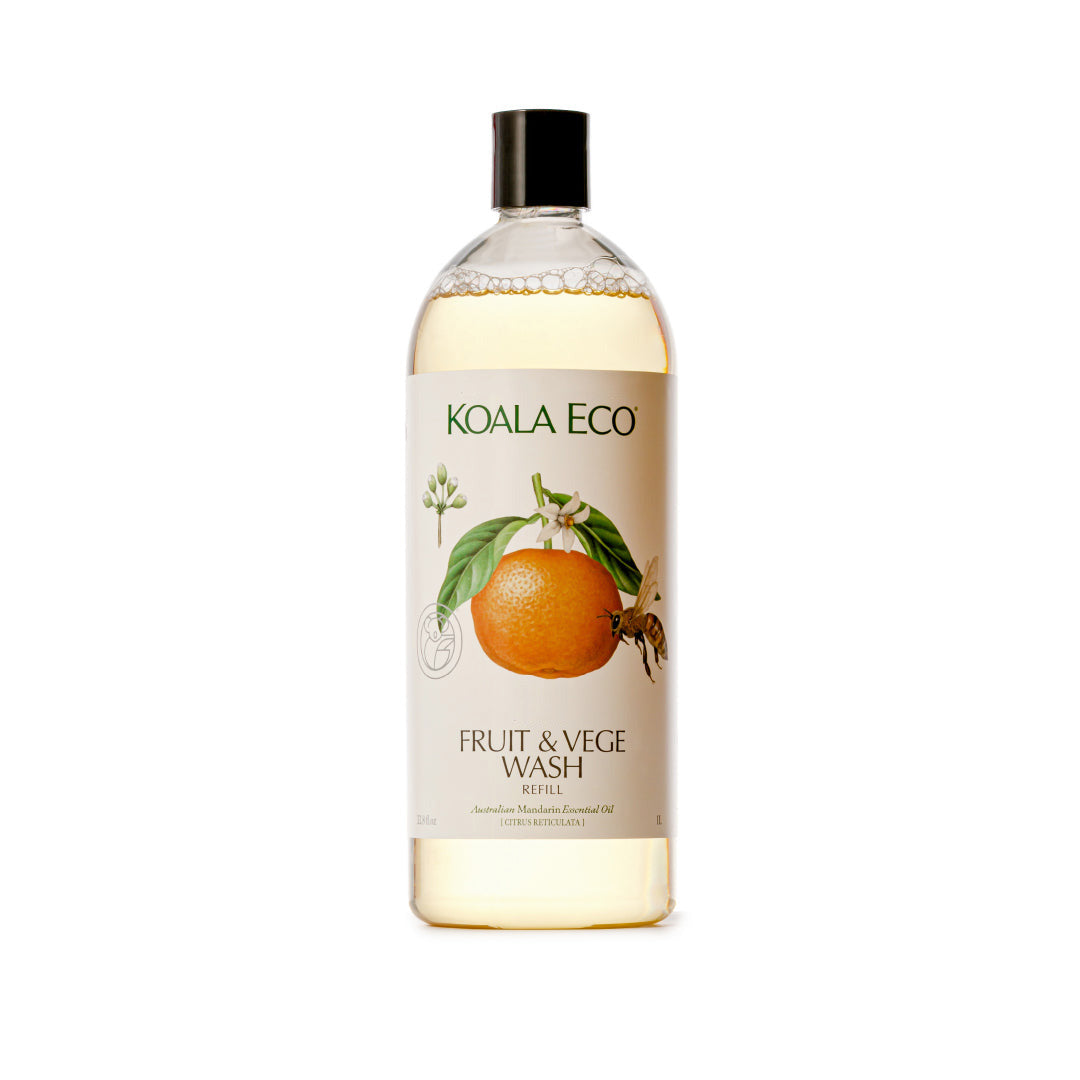
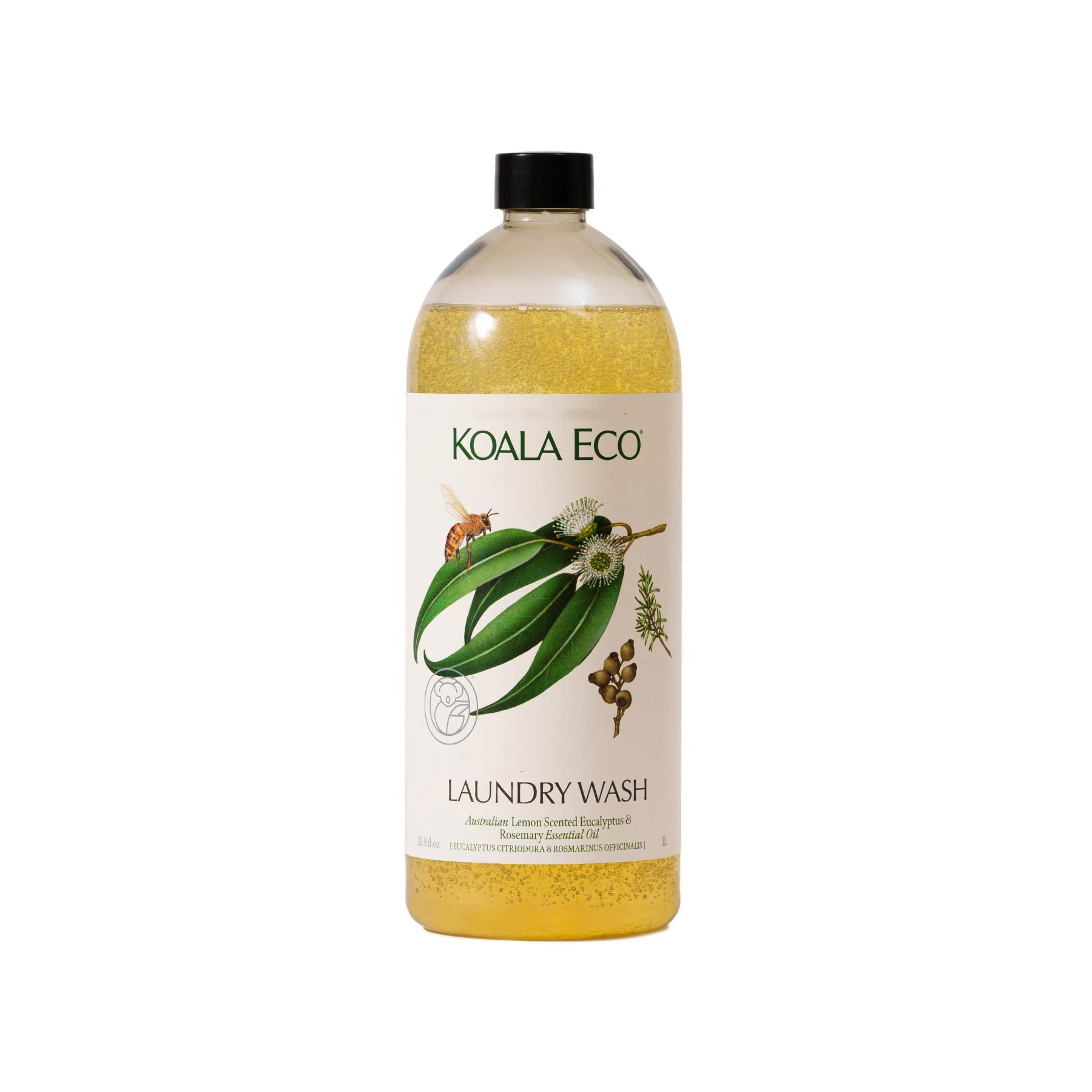
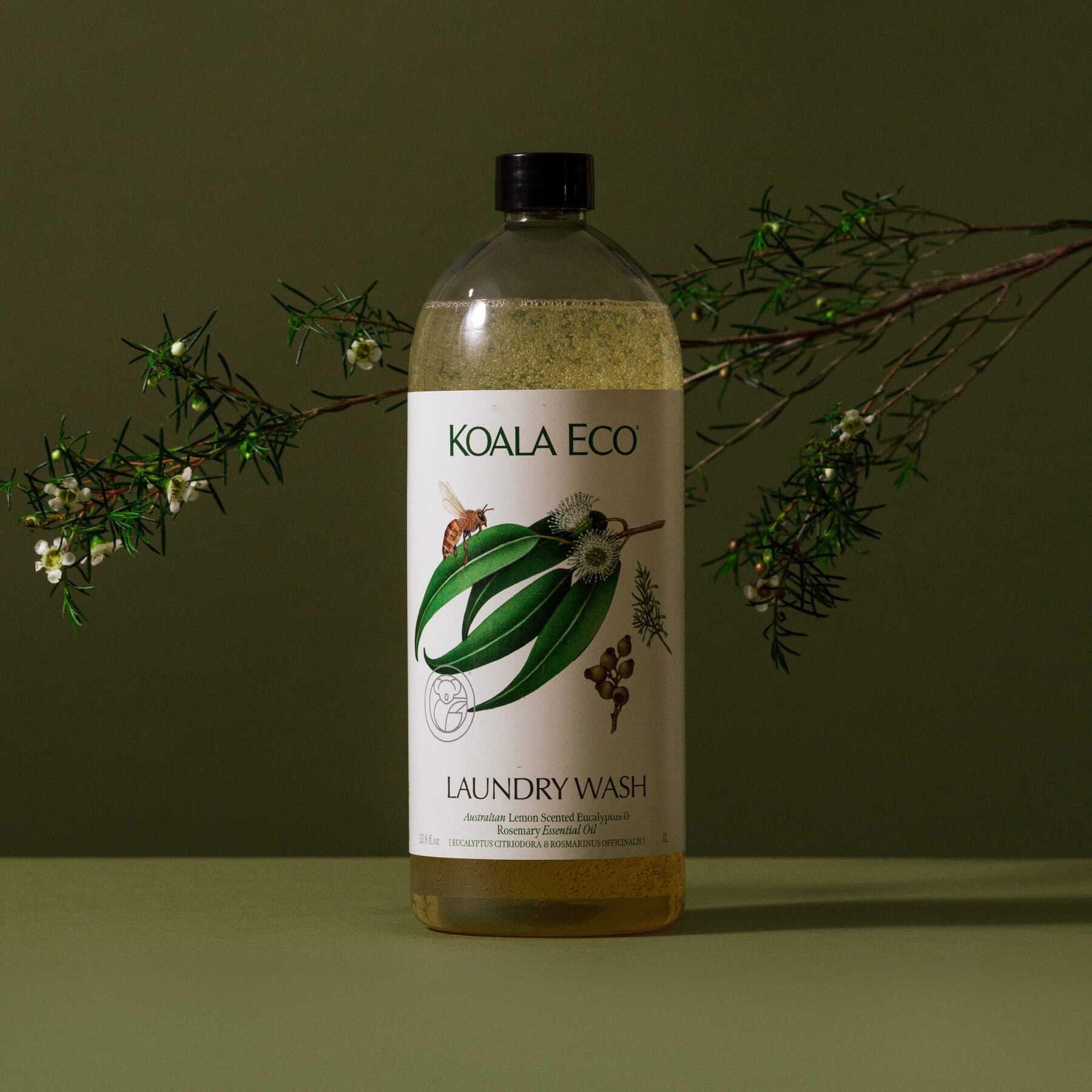
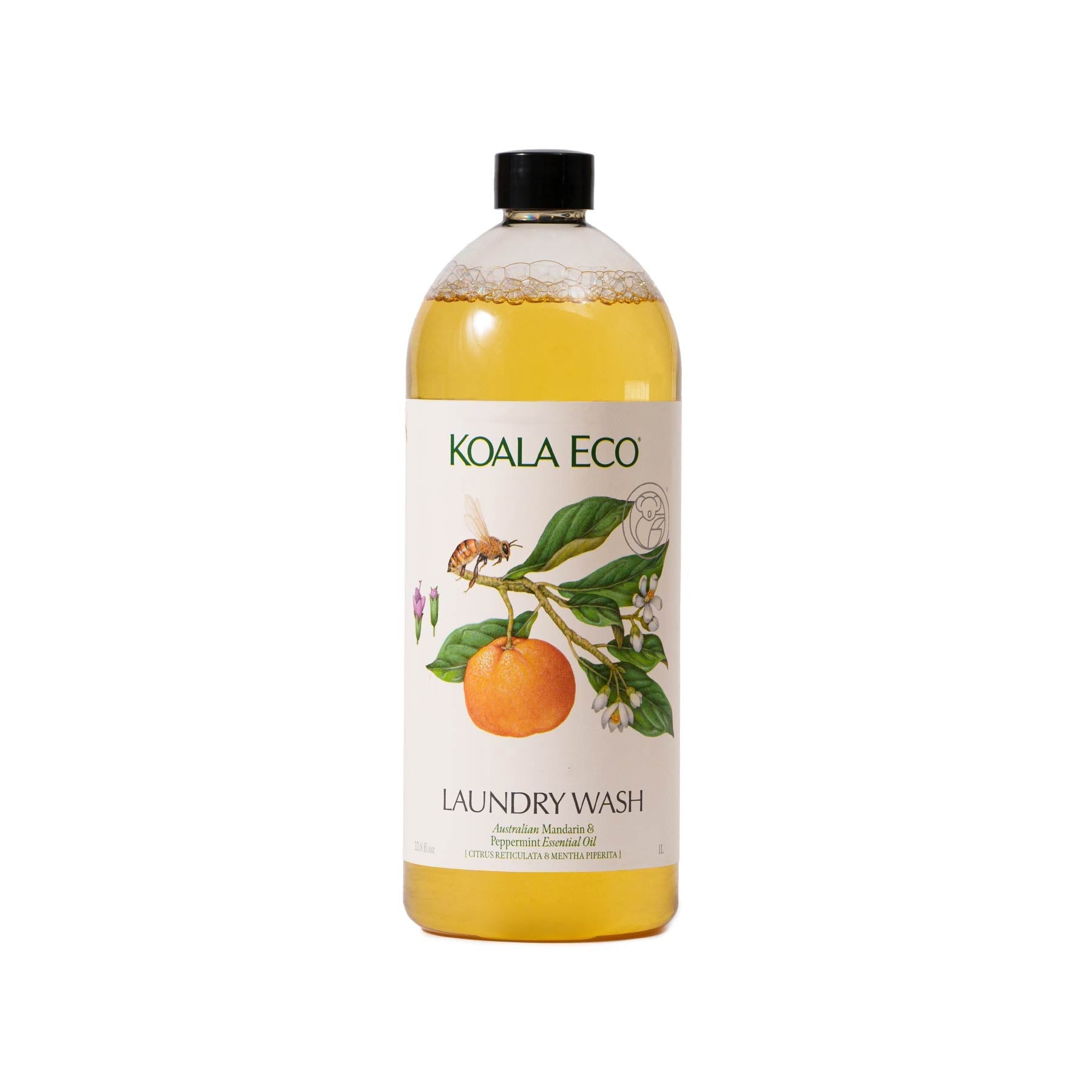
At Koala Eco, we believe scent should be real, transparent, and connected to nature. By choosing products made with pure essential oils and plant-based ingredients, you can create a home that feels clean, calm and truly fresh — without compromise.
Reducing synthetic fragrance isn’t about removing scent altogether. It’s about choosing a more honest, natural way to experience it — one that supports both your wellbeing and the environment.