"Nothing is more memorable than a smell." Diane Ackerman, A Natural History of the Senses
What does nature smell like to you? The question is impossible and personal at once. The answer changes depending on which version of yourself is asking — the child you were, the place you were standing, the people you were with.
For me, it begins in New England.
The soft, salt-tinged air of an Atlantic summer. The wild beach plum, knotted along the dunes, has blossoms that turn from white to pink. The roses of my grandmother’s garden opened wide in the heat. Juniper at the edge of a path. The cold, clean breath of the ocean that only smells a certain way in a certain place.
These are the smells that meant childhood. They are the first language I learned about the world, and the language I return to when I need to remember who I am.
Paul's nature is a different country, in every sense.
He grew up on a sheep and wheat farm in rural Western Australia — a landscape vast enough to make weather feel like a family member. The scent of eucalyptus rising off the bush after rain. Golden wattle in late winter. The dry, herbal note of native grasses. The warmth of lanolin on wool. The mineral smell of red earth in summer, baked all day by the strongest sun. Paperbark by the river. Salt where the bush meets the sea.
These descriptions are the chemistry of two childhoods, two hemispheres, two ways of being shaped by a place.
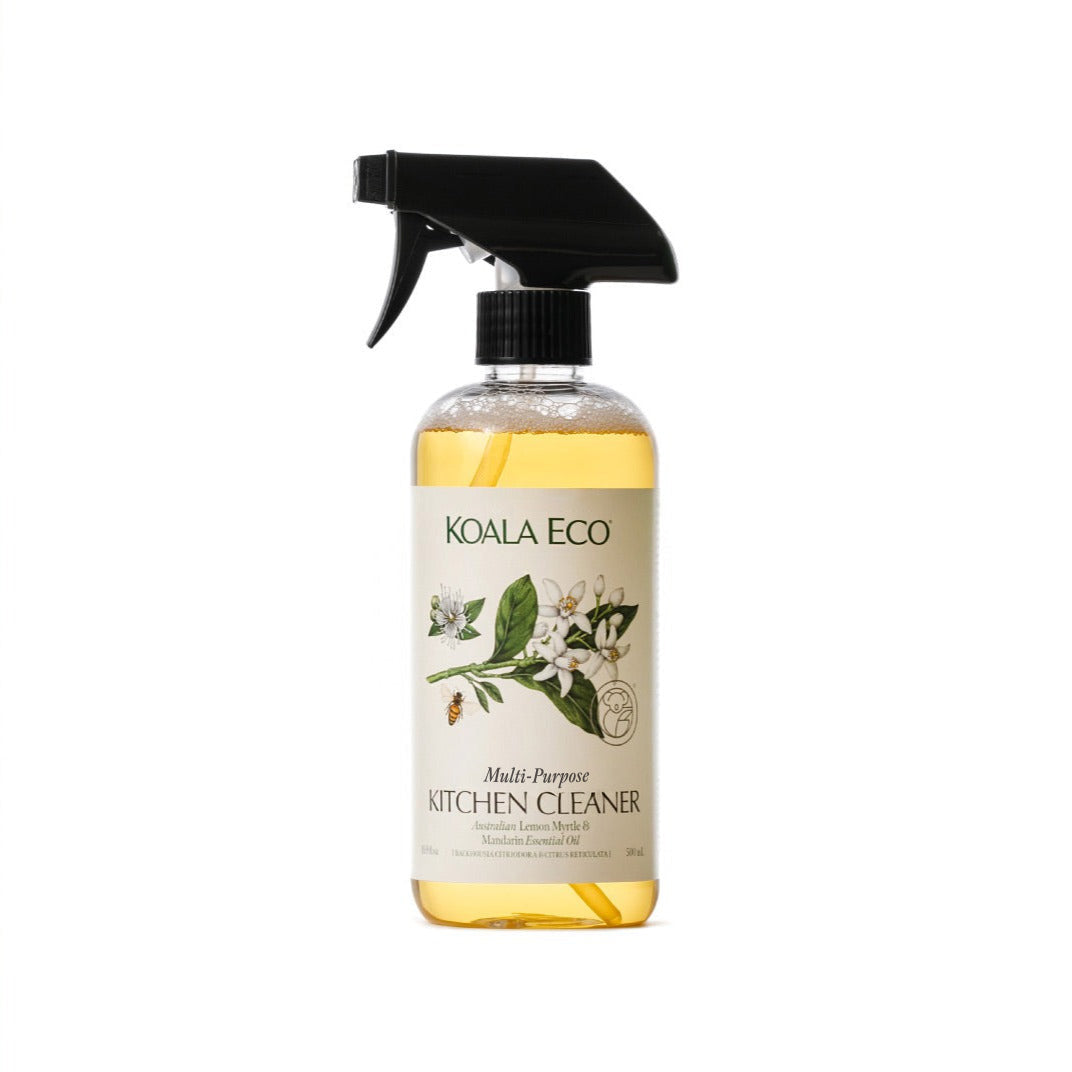
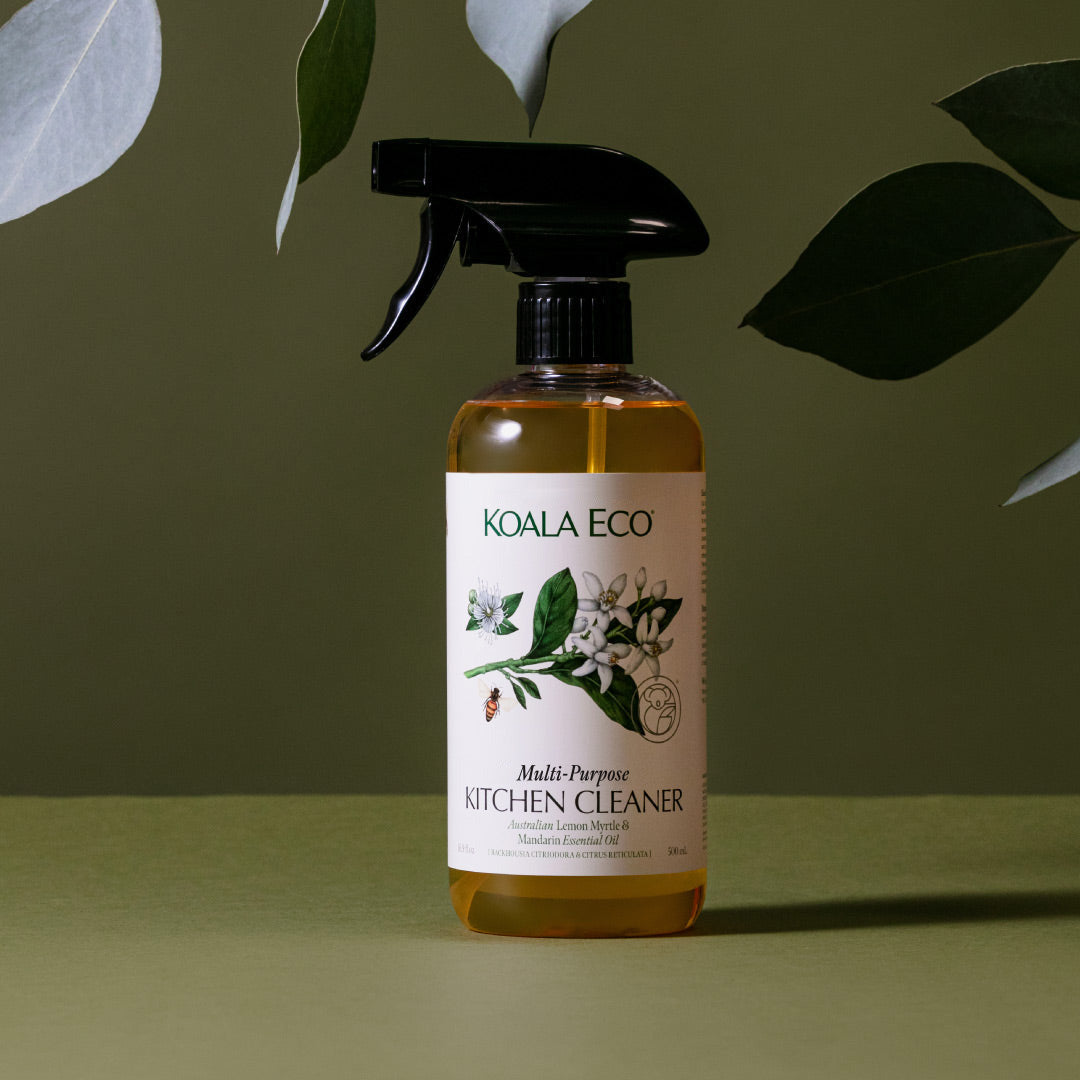
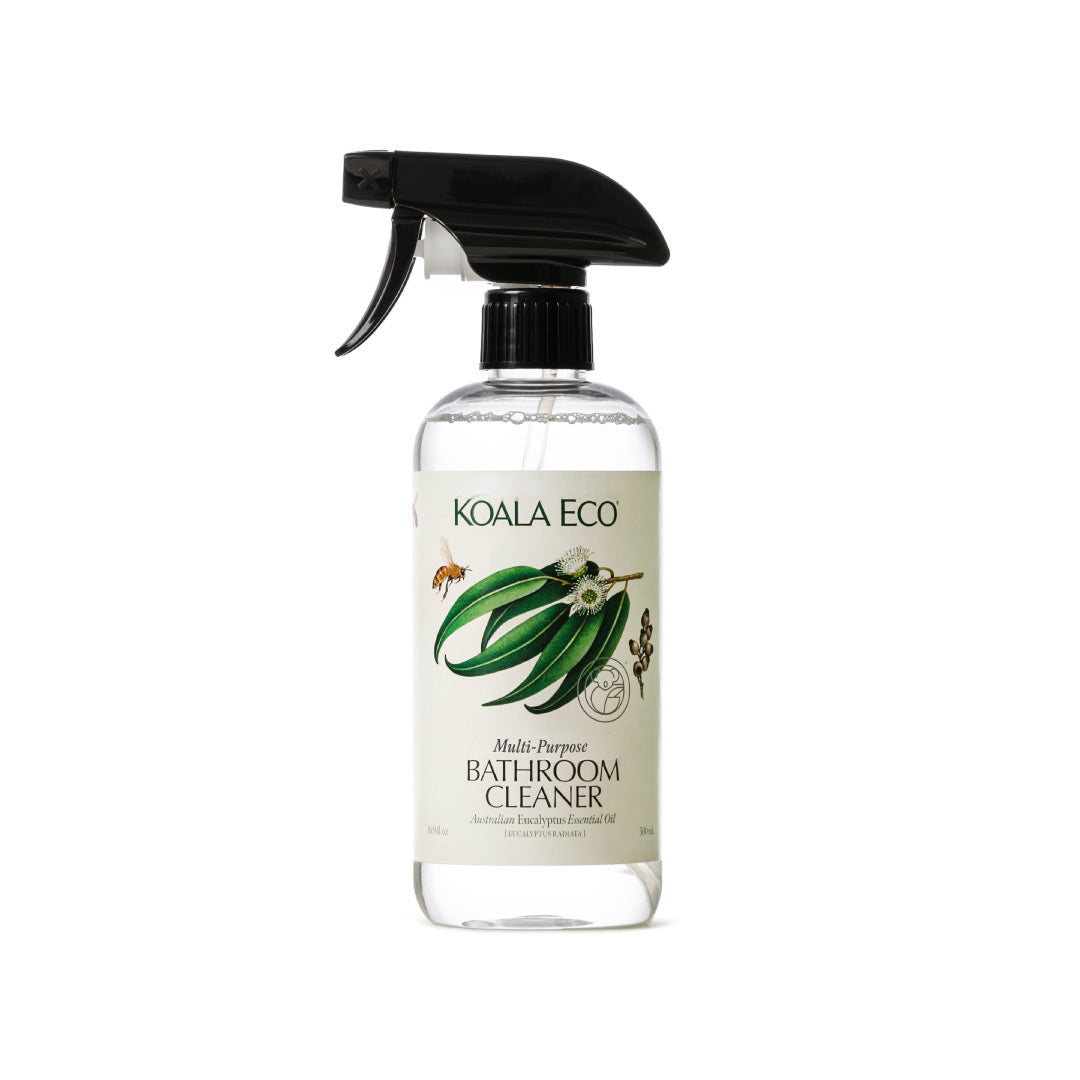
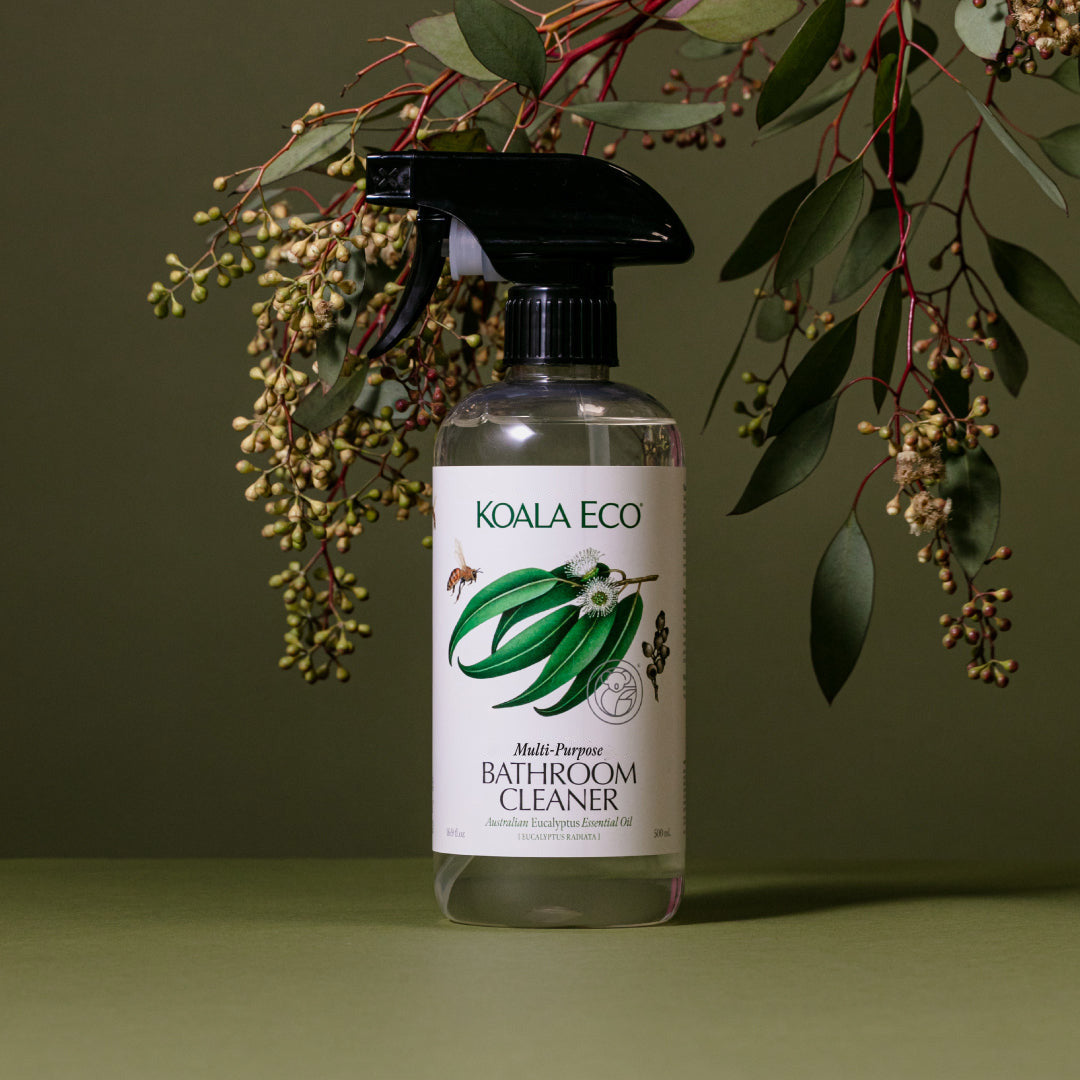
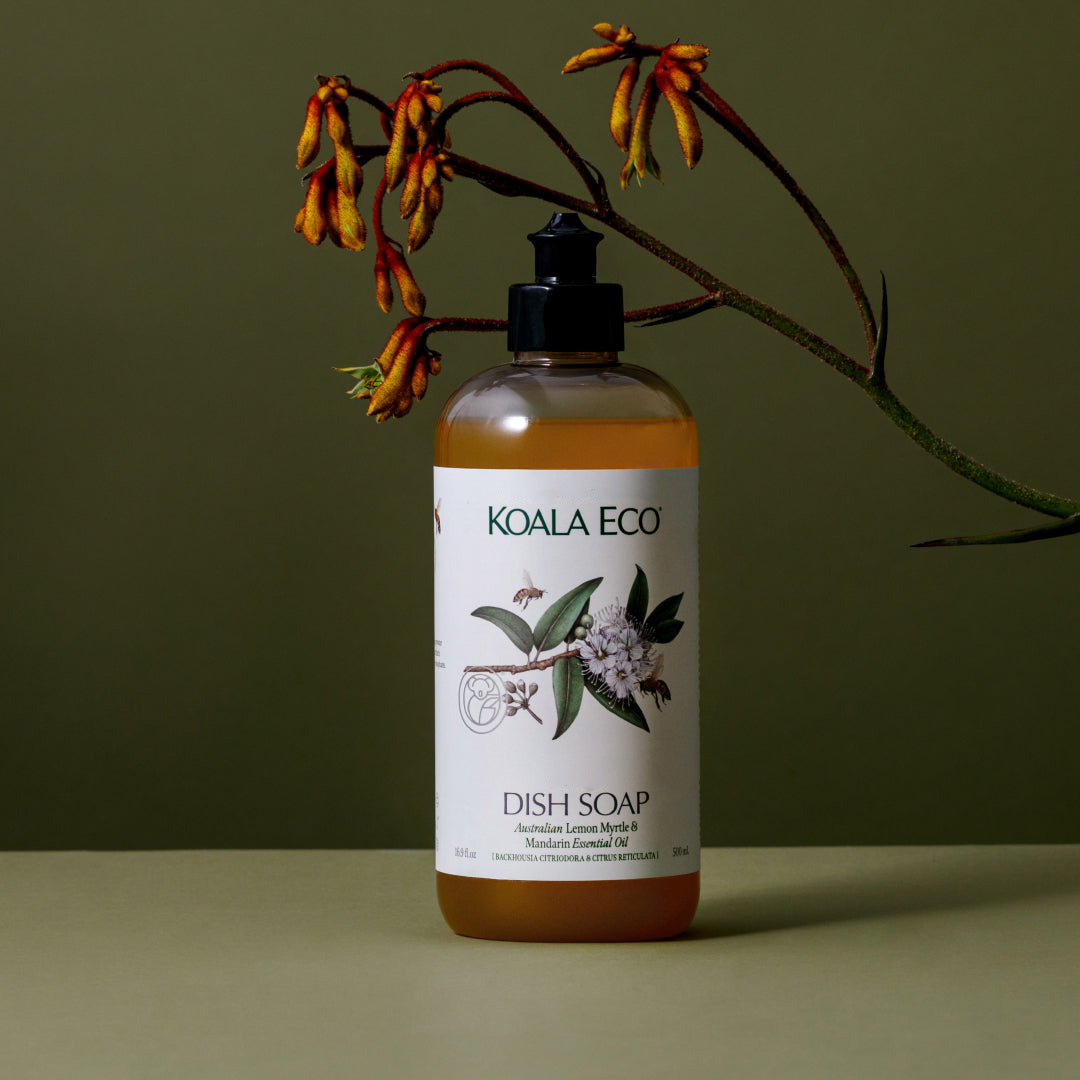
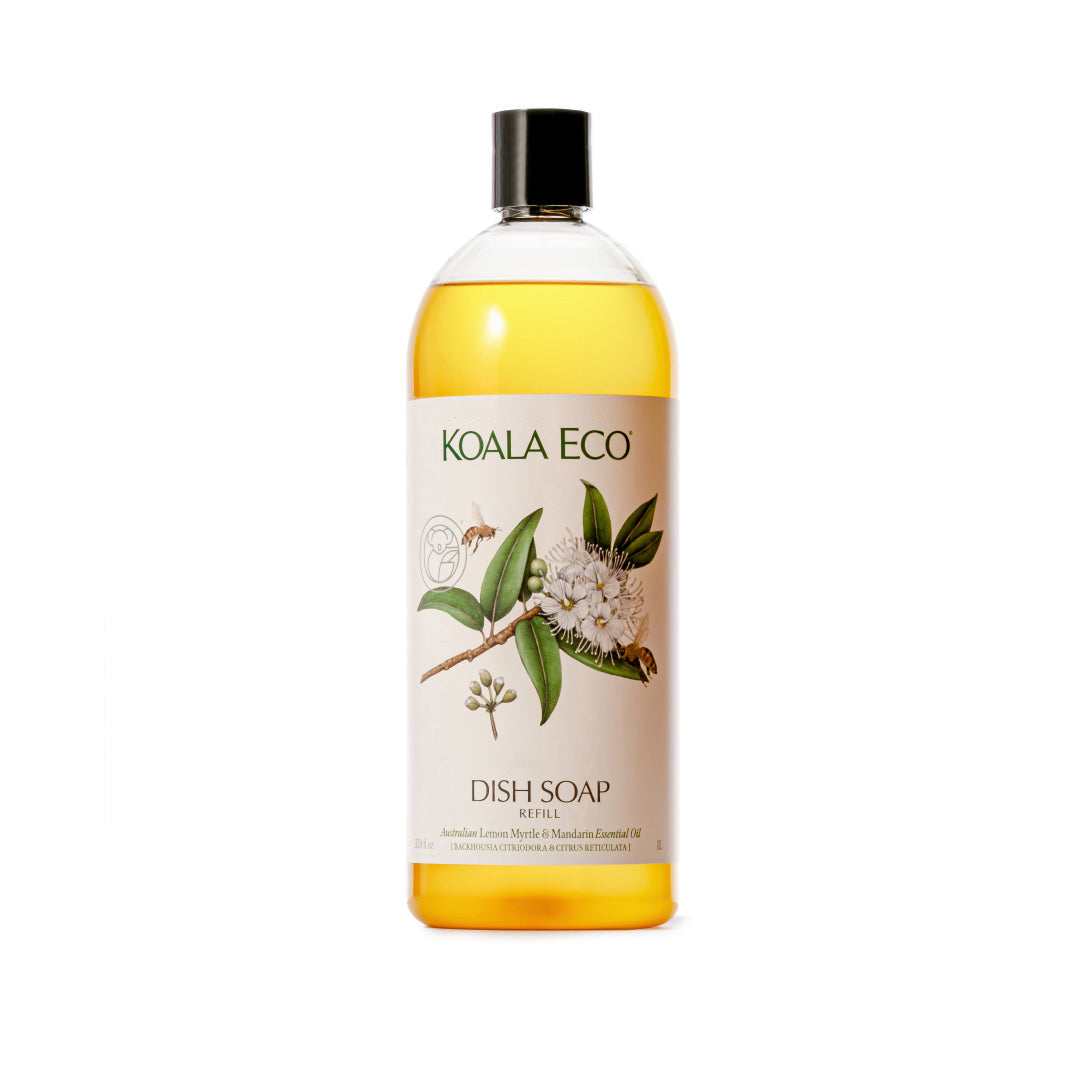
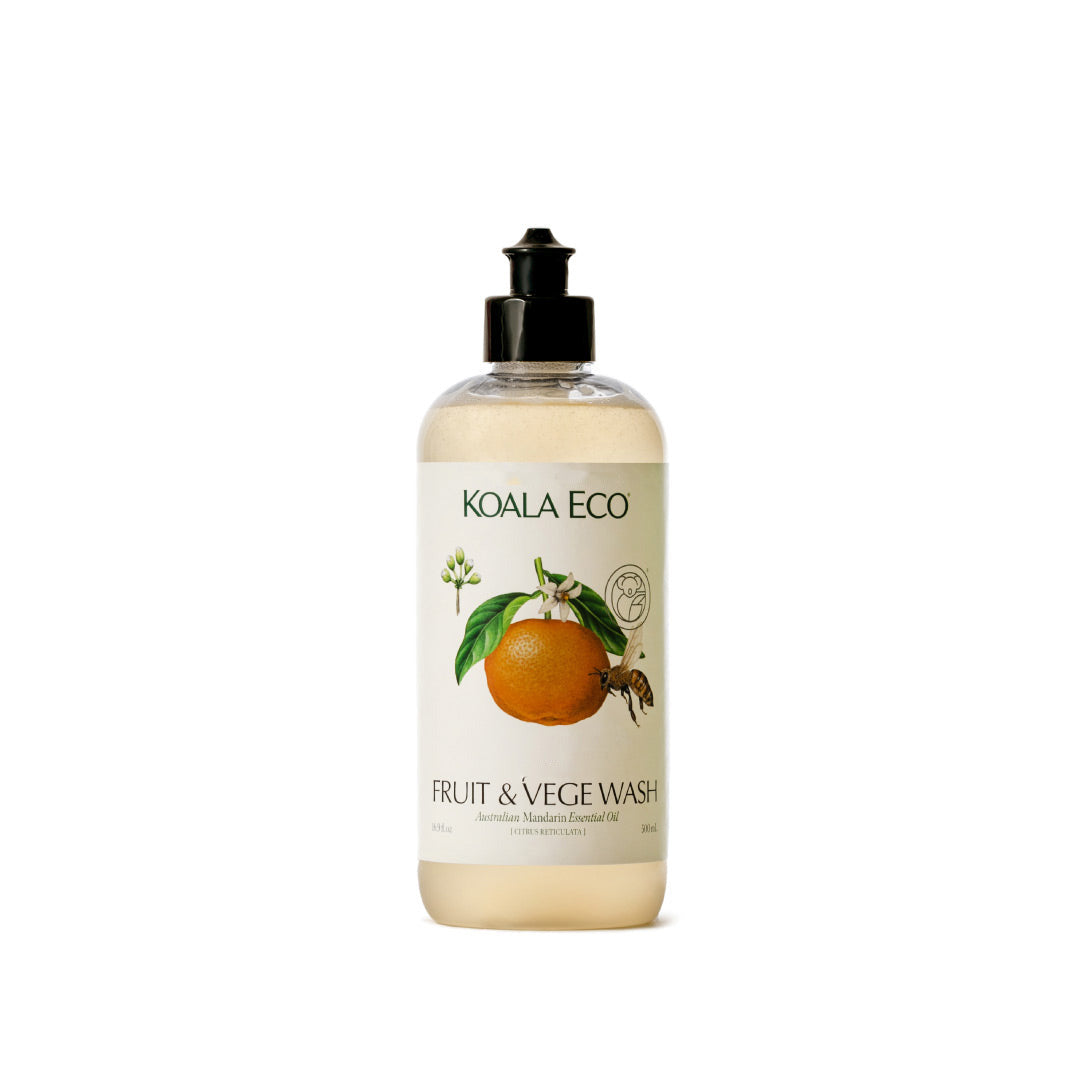
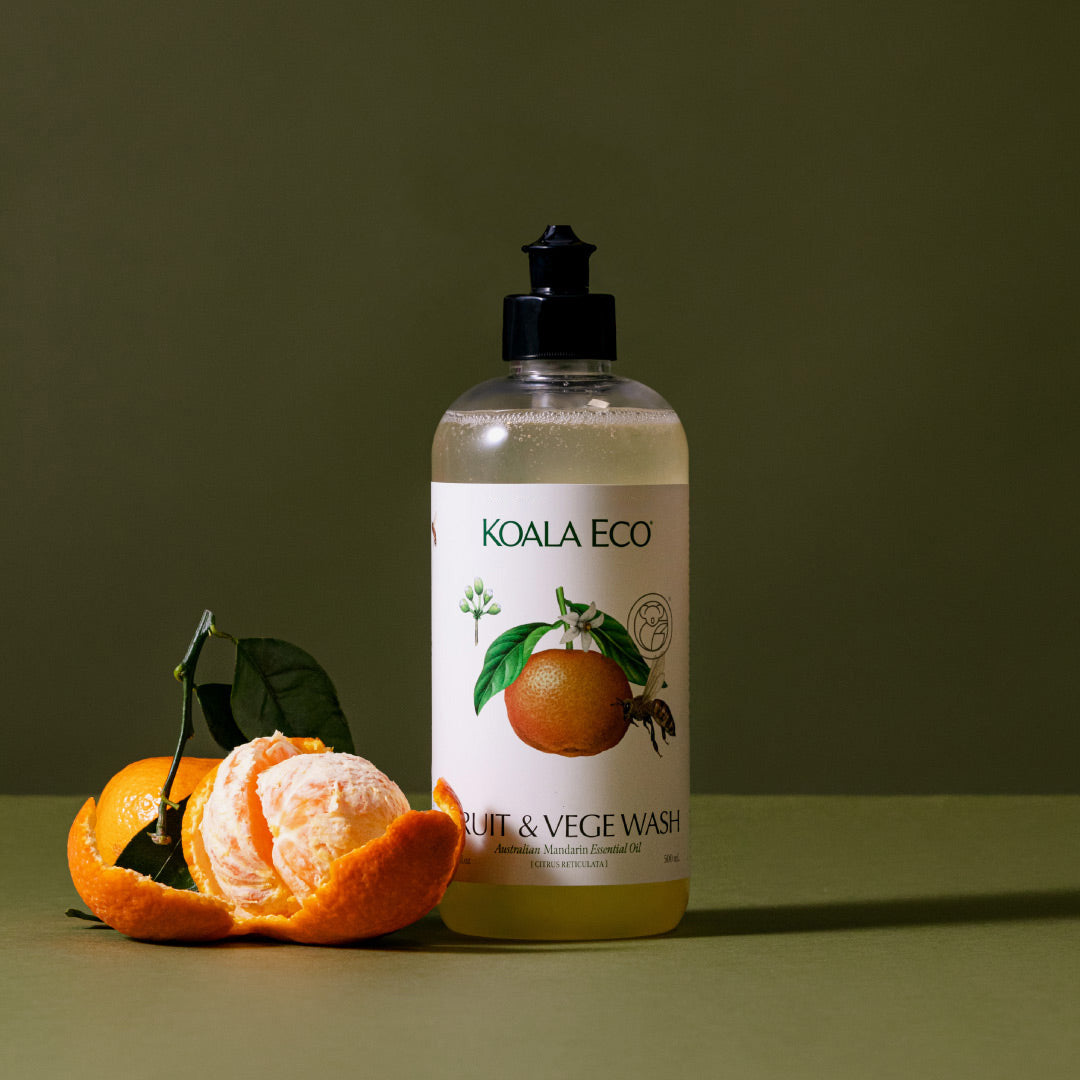
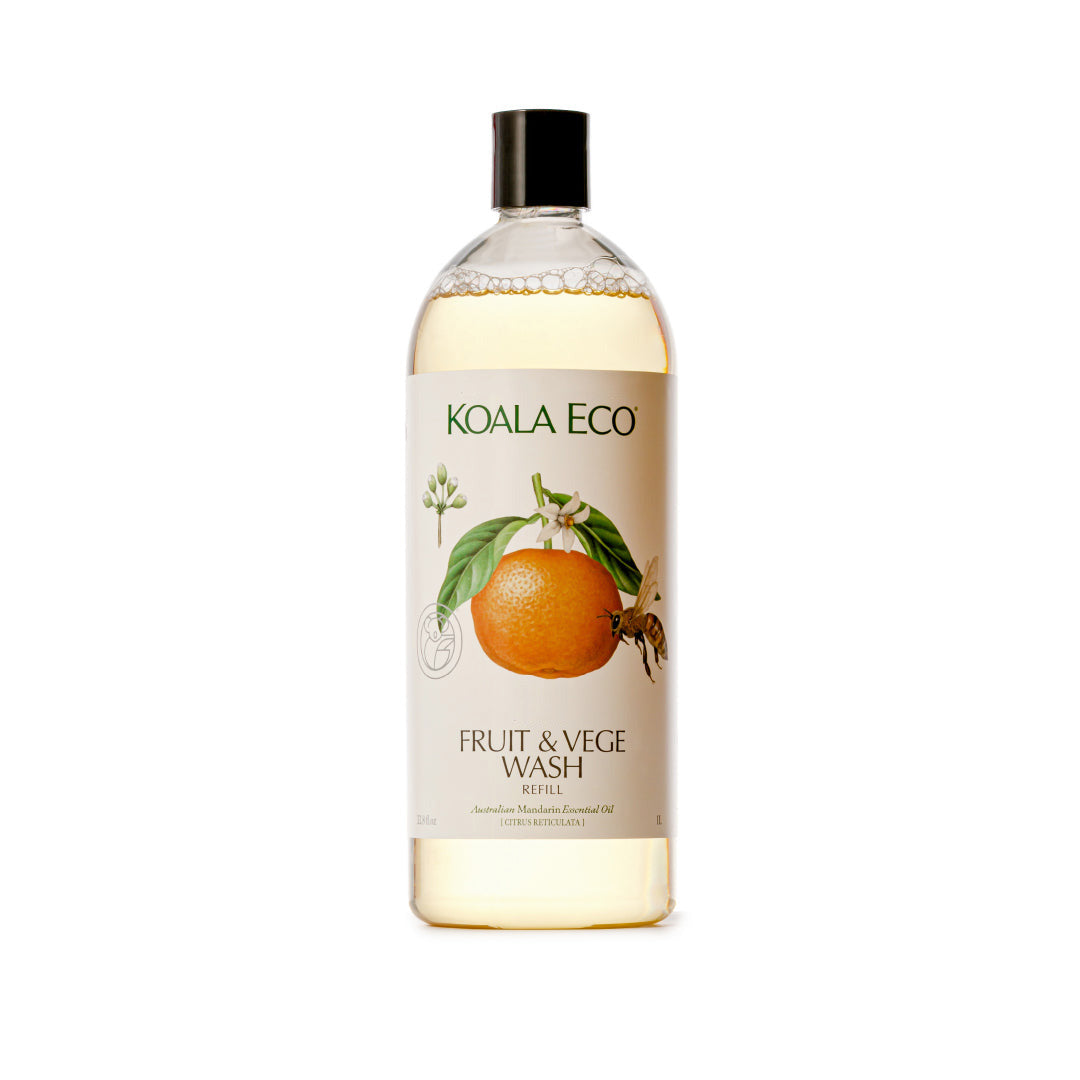
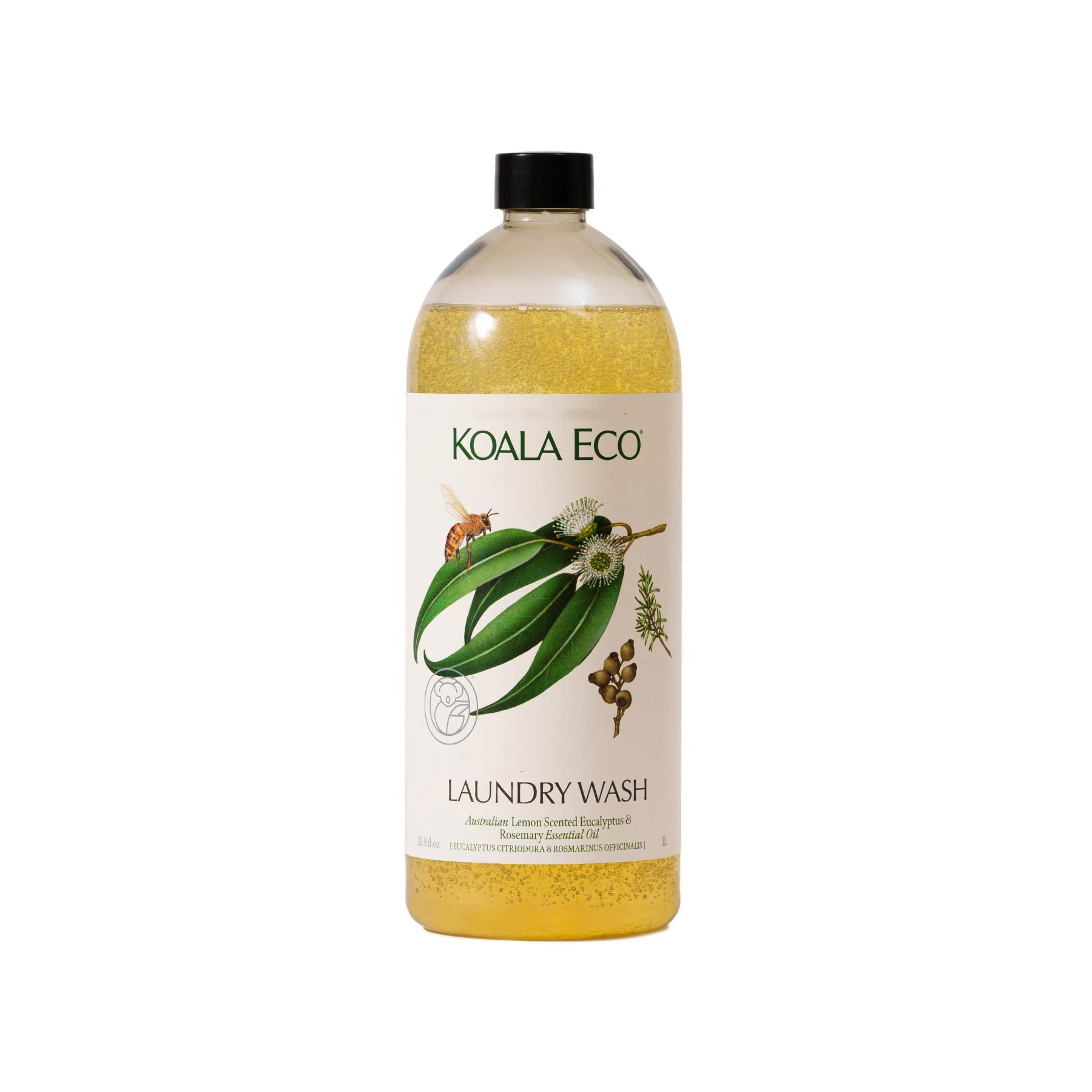
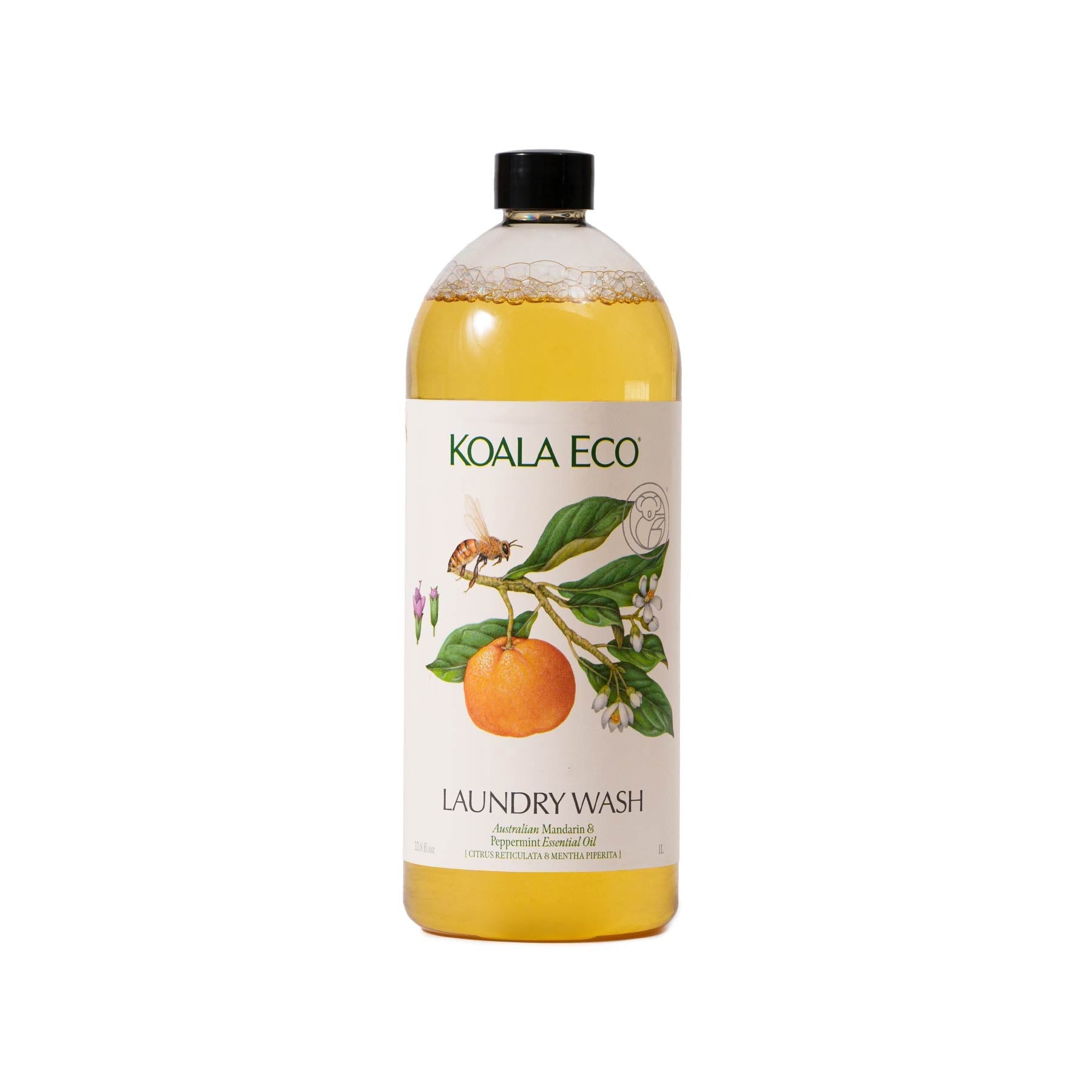
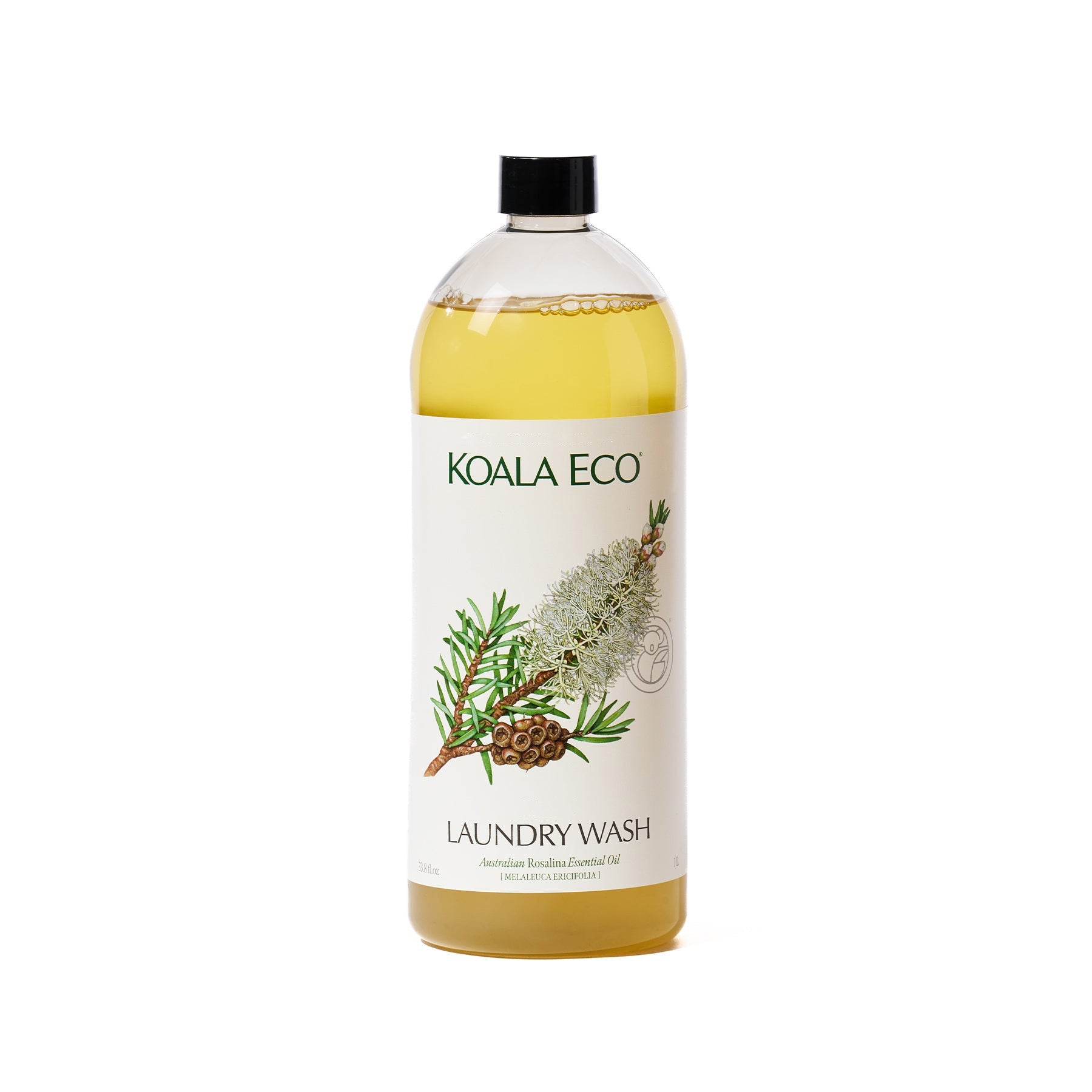
It is why we built Koala Eco the way we did. Not with fragrance. With essential oils — eucalyptus, lemon myrtle, rosalina, peppermint, mandarin, rosemary — the essence of the plant itself, distilled and bottled, is carried into the home unchanged. Each oil is a small piece of a real place, intact.
Scent is how we remember where we have been. And, how we connect to the places we love.