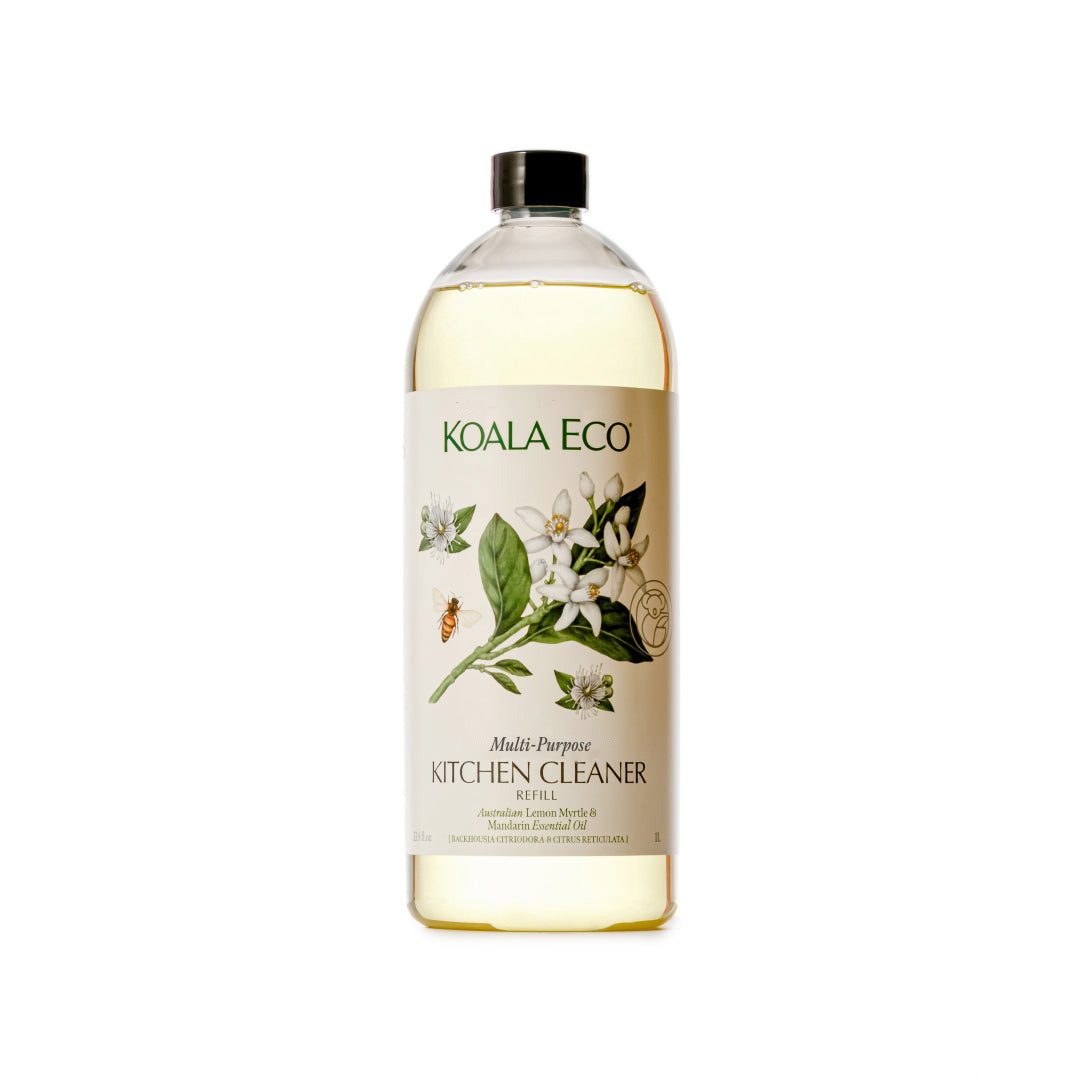
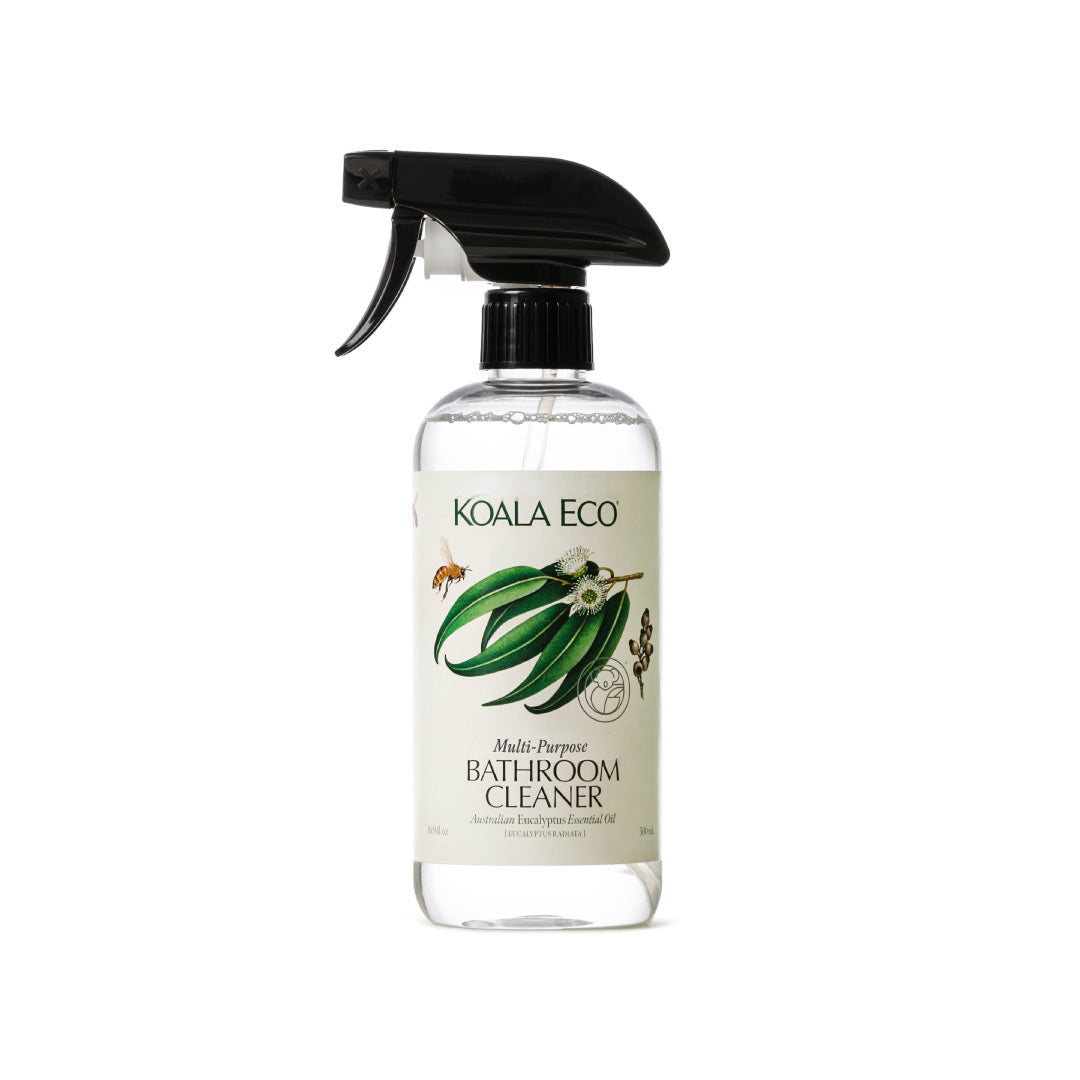
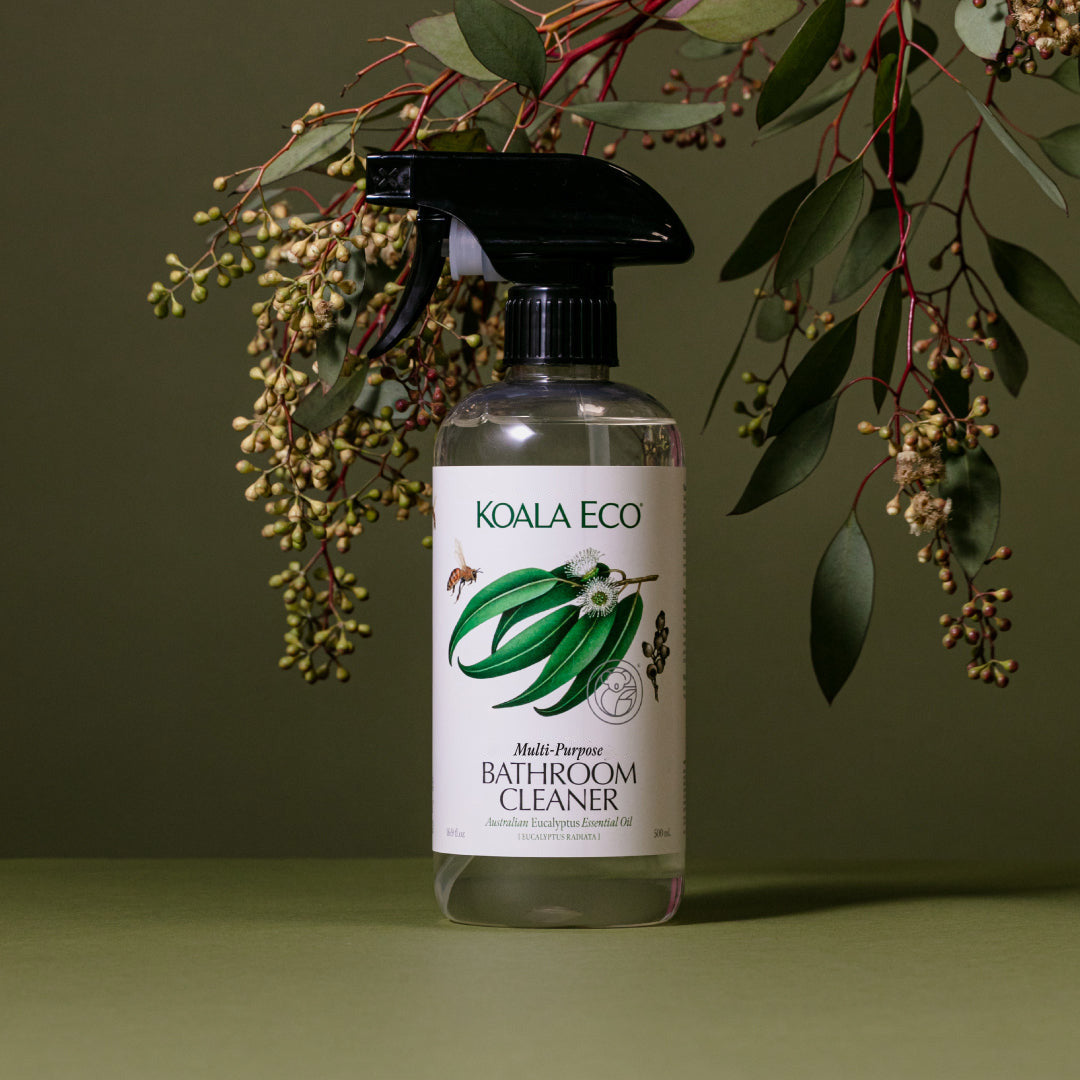
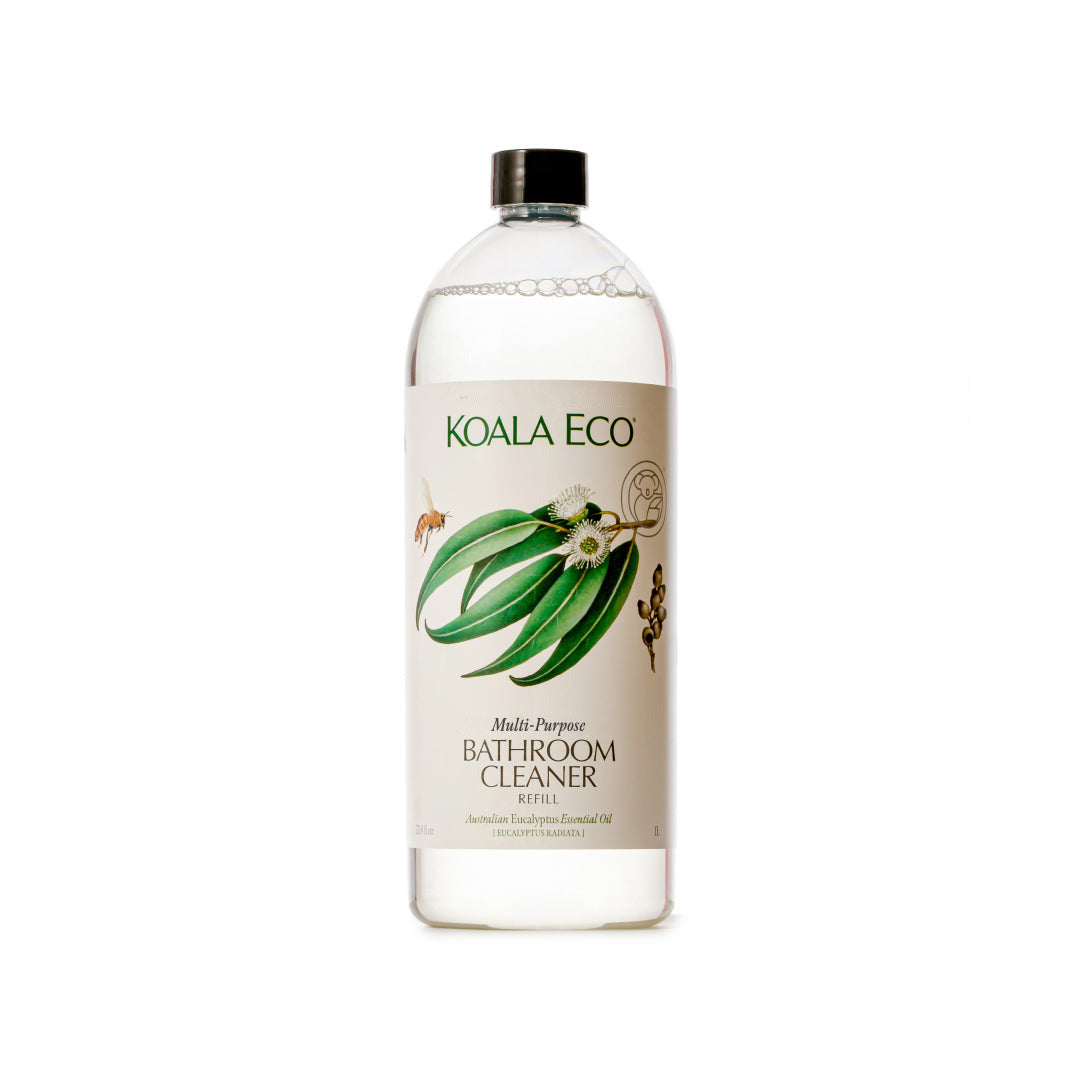
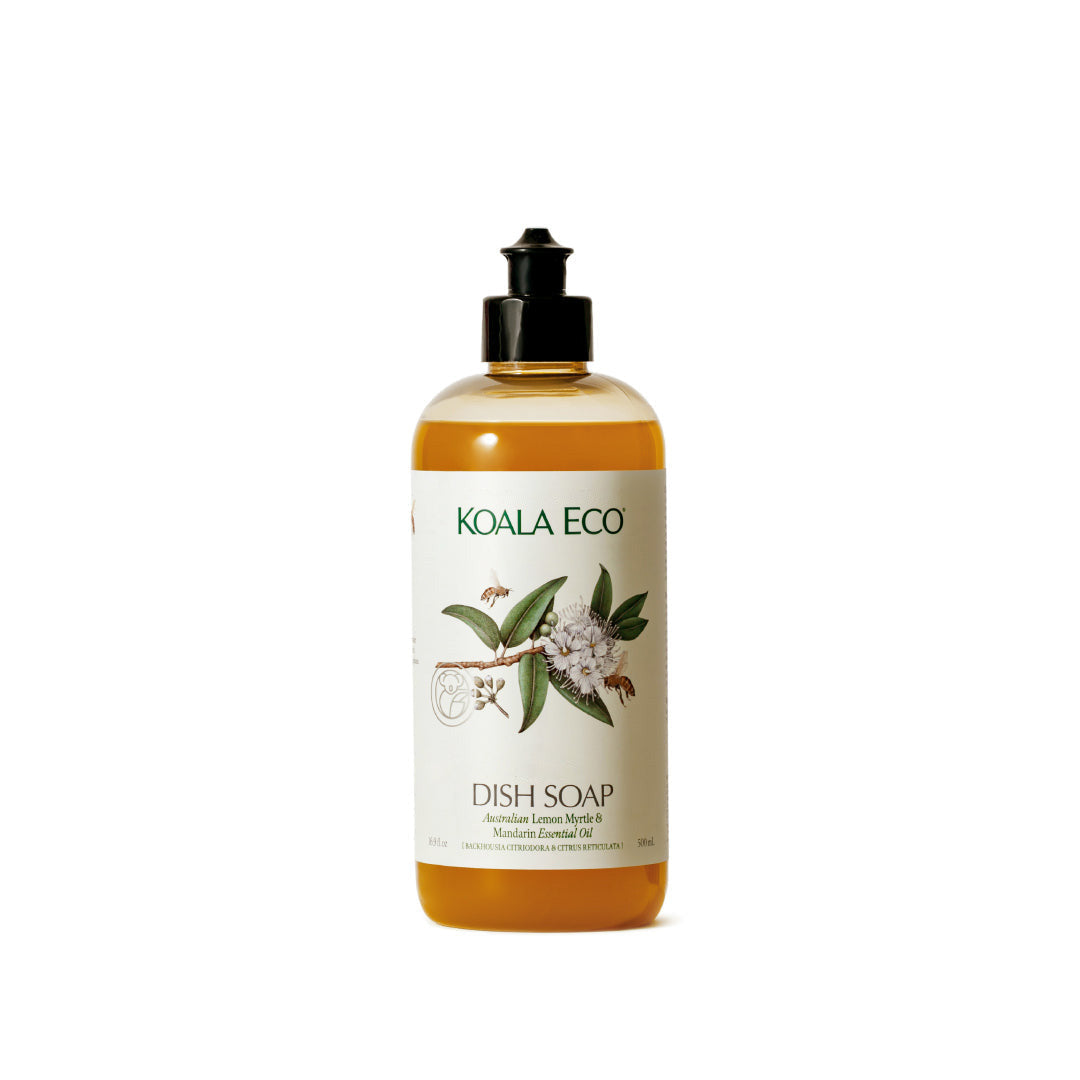
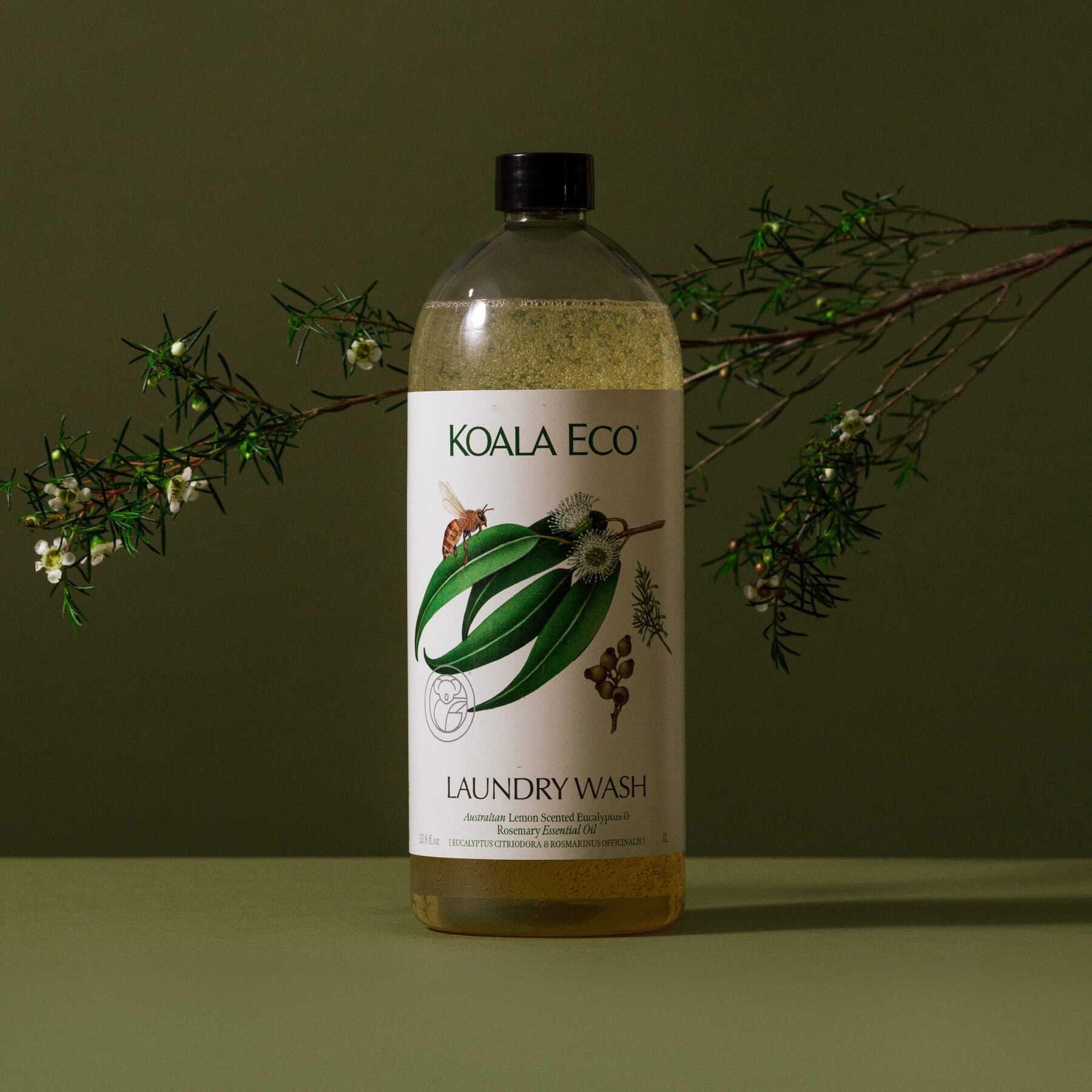
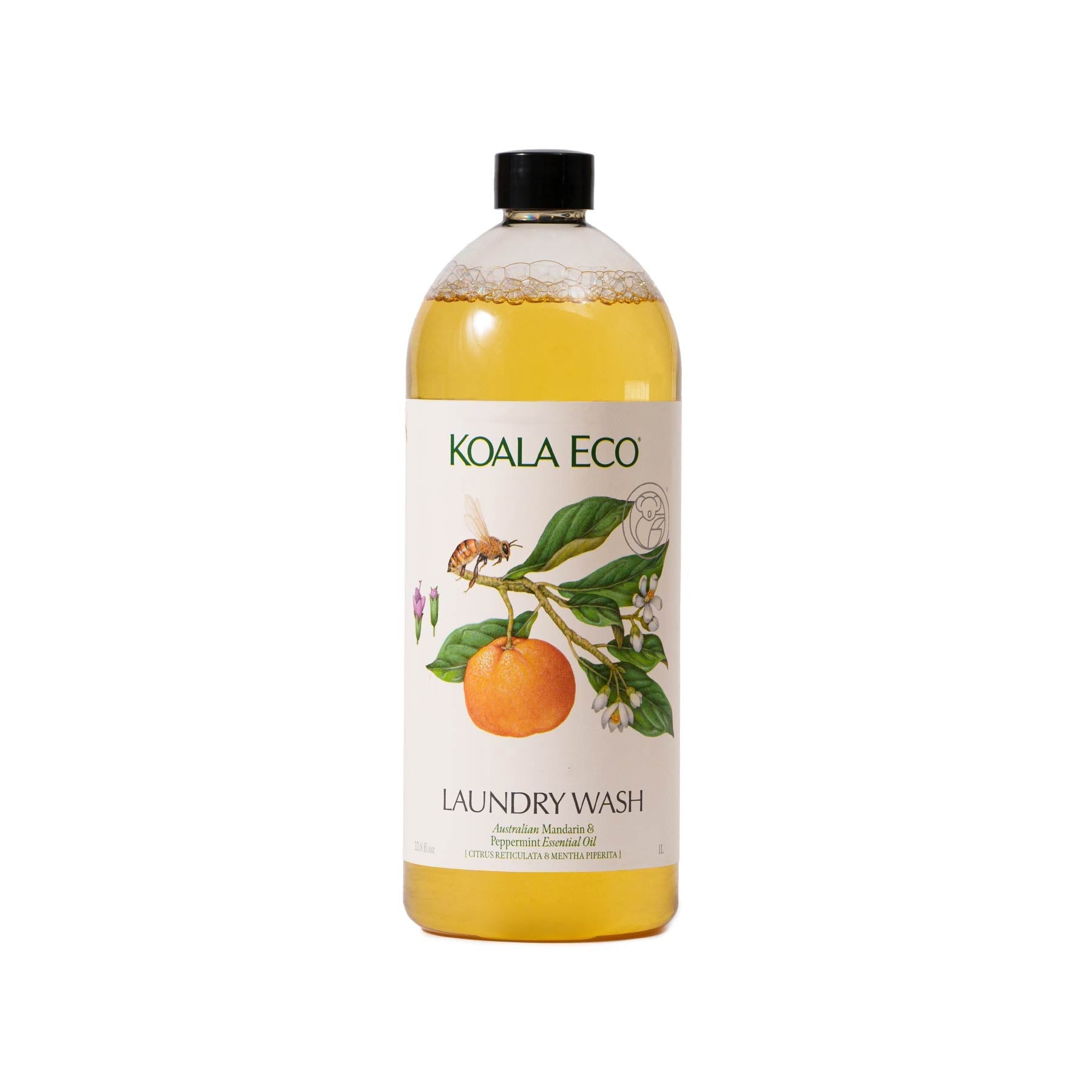
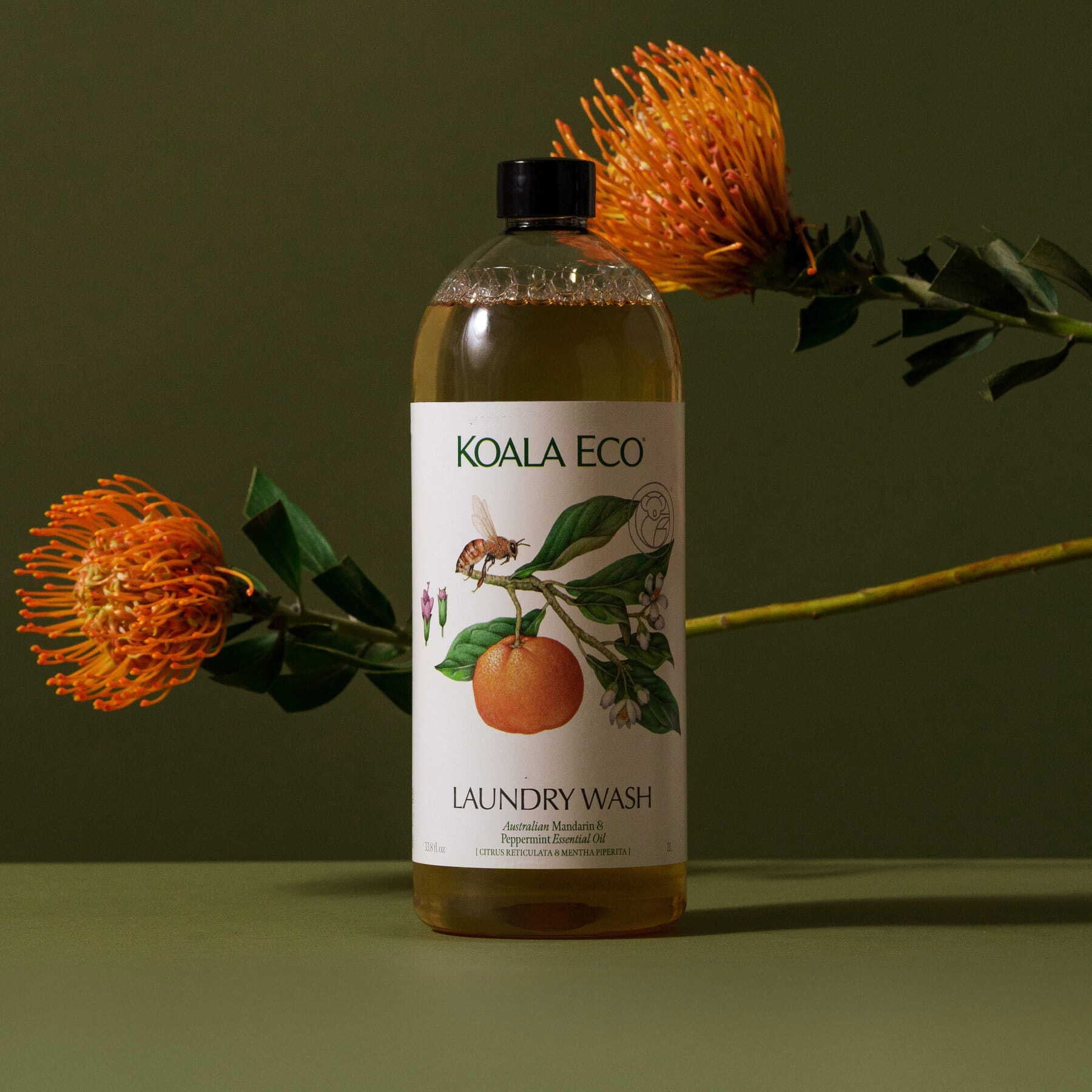
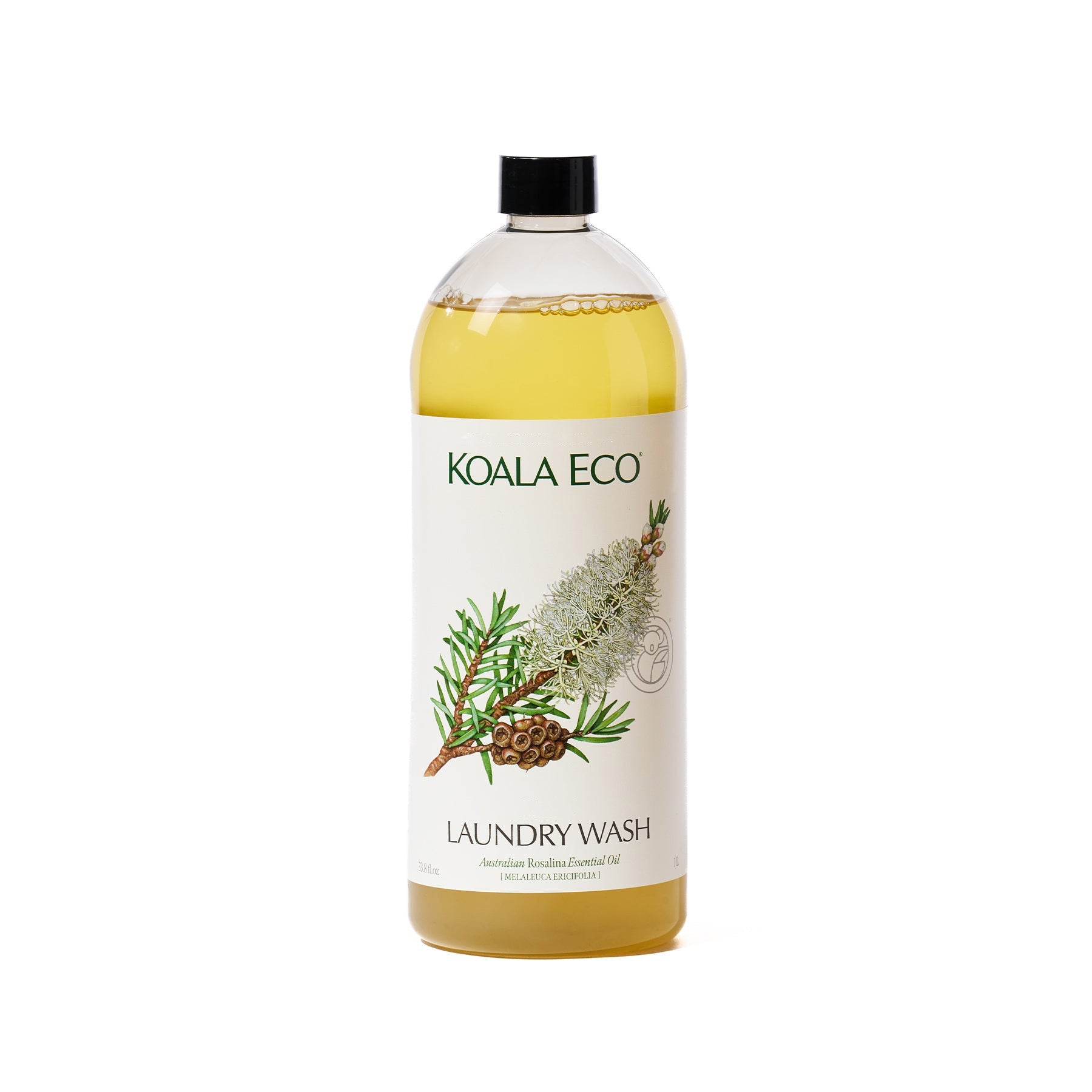
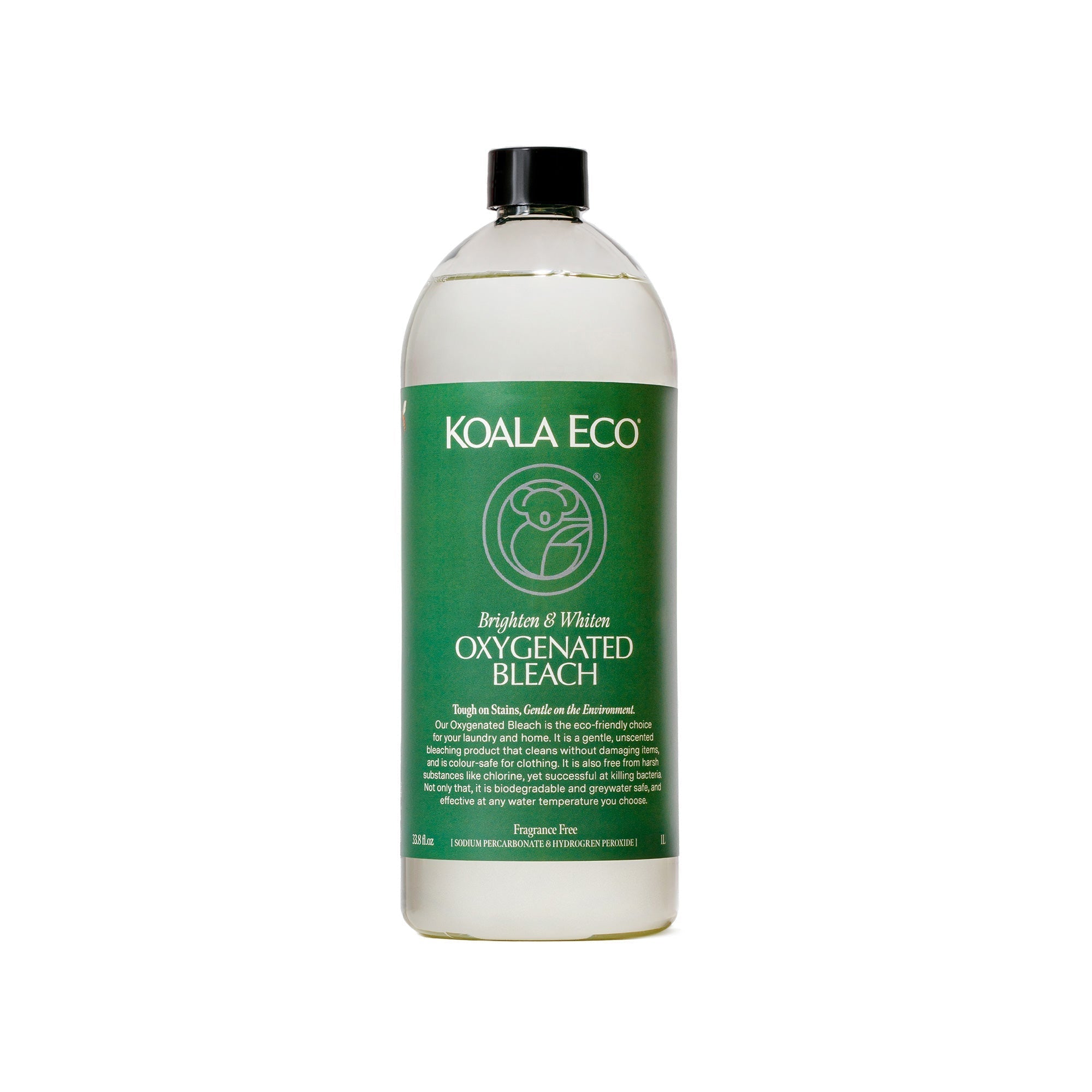
What we love about Koala Eco products is that they’re clean. We can use them in our house, without worrying about toxicity to ourselves and our loved ones. Today, this is vital to our general health and wellbeing as over the past 70 years, our planet has been inundated with 350,000 new synthetic compounds and chemical mixtures. The scale of chemical release into our environment is estimated at 220 billion tonnes annually. This is a 40-fold increase compared to a century ago. Industrialisation and technological progress, has permeated our daily lives, infiltrating our homes with potentially harmful substances.
The repercussions of this chemical onslaught extend beyond the immediate environment, as industrial chemicals and their residues have been detected in human blood, tissues, including unborn and infants, alongside wildlife and food sources. These findings underscore the pervasive nature of the issue, with the potential for long-term consequences.
Chemical toxicity poses a multifaceted threat, capable of interfering with genetics, metabolism, and nutrition. The residues of industrial chemicals found in the human body, including unborn and infant populations, raise concerns about the potential impacts on development, cognition, fertility, thyroid health, and respiratory function. The intricacies of these interactions make it challenging to predict the full extent of the harm caused by prolonged exposure to household toxins. This is why using products such as Koala Eco, is so vital in reducing the toxic load on our different body systems.
Some environmental toxins are unavoidable, which is why having control over what we clean our house with can be a first step to protecting ourselves and our families from toxic overload. The repercussions of exposure to chemicals are not always immediate; instead, they manifest over time in the form of cognitive issues, fertility challenges, developmental disorders, thyroid complications, and respiratory diseases. The impact isn't limited to human health; it extends to wildlife and ecosystems, emphasising the urgency for a holistic approach to tackle this silent but potent threat.
The urgency to address this issue is underscored by the fact that diseases associated with prolonged exposure to pollutants often emerge years later. The hidden nature of the threat, combined with gaps in our understanding, necessitates a proactive stance. Raising awareness, supporting research endeavours, and advocating for stricter regulations on the production and use of potentially harmful chemicals are essential steps in safeguarding present and future generations.
The call to action is clear: as individuals, communities, and societies, we must collectively work towards reducing our exposure to toxins, by championing cleaner alternatives, such as Koala Eco, which will foster a healthier, sustainable living environment for future generations to come.
This article was written by the team at The Health Reflex, a leader in the new generation of proactive healthcare and preventative medicine. They have one goal; to enable people to live the best possible life, for as long as possible. With the benefit of over 20 years experience, their solutions are fast, easy and cost effective - centred on four fundamental pillars, namely, nutrition, movement, emotional health and social connections. www.thehealthreflex.com.au @thehealthreflex
References
Braun J. M. (2017). Early-life exposure to EDCs: role in childhood obesity and neurodevelopment. Nature reviews. Endocrinology, 13(3), 161–173. https://doi.org/10.1038/nrendo.2016.186
Cribb,Julian, 2021. Earth Detox Cambridge Books, Cambridge University Press.
Diamanti-Kandarakis, E., Bourguignon, J. P., Giudice, L. C., Hauser, R., Prins, G. S., Soto, A. M., Zoeller, R. T., & Gore, A. C. (2009). Endocrine-disrupting chemicals: an Endocrine Society scientific statement. Endocrine Reviews, 30(4), 293–342. https://doi.org/10.1210/er.2009-0002
Gruber K. (2018). Cleaning up pollutants to protect future health. Nature, 555(7695), S20–S22. https://doi.org/10.1038/d41586-018-02481-5
Hales, B. F., & Robaire, B. (2020). Effects of brominated and organophosphate ester flame retardants on male reproduction. Andrology, 8(4), 915–923. https://doi.org/10.1111/andr.12789
Hu, L., Luo, D., Wang, L., Yu, M., Zhao, S., Wang, Y., Mei, S., & Zhang, G. (2021). Levels and profiles of persistent organic pollutants in breast milk in China and their potential health risks to breastfed infants: A review. The Science of the Total Environment, 753, 142028. https://doi.org/10.1016/j.scitotenv.2020.142028
Mathiesen, L., Buerki-Thurnherr, T., Pastuschek, J., Aengenheister, L., & Knudsen, L. E. (2021). Fetal exposure to environmental chemicals; insights from placental perfusion studies. Placenta, 106, 58–66. https://doi-org/10.1016/j.placenta.2021.01.025
Naidu, R., Biswas, B., Willett, I. R., Cribb, J., Kumar Singh, B., Paul Nathanail, C., Coulon, F., Semple, K. T., Jones, K. C., Barclay, A., & Aitken, R. J. (2021). Chemical pollution: A growing peril and potential catastrophic risk to humanity. Environment international, 156, 106616. https://doi.org/10.1016/j.envint.2021.106616
Wright, K., Bihaqi, S. W., Lahouel, A., Masoud, A., Mushtaq, F., Leso, A., Eid, A., & Zawia, N. H. (2018). Importance of tau in cognitive decline as revealed by developmental exposure to lead. Toxicology Letters, 284, 63–69. https://doi.org/10.1016/j.toxlet.2017.11.041