Written by Green and Simple for Koala Eco
Did you know that on average we each use 53 kilos of plastic a year? Or that on a global scale we generate more than 300 million tonnes of waste each year? Once you start adding up all those beauty and personal products, food packaging and online shopping we all consume it starts to become pretty clear we have a problem.
We’ve often wondered what is actually best when it comes to packaging. While many sing the praises of glass, others are quick to point out it too has its pitfalls. What about recycled plastic? And when can we expect all those breakthroughs with seaweed to come to fruition?
According to TerraCycle, who are the global leaders in recycling hard-to-recycle waste, the simple answer is that there is no simple answer. “In order to take a comprehensive look at what would be the most sustainable out of glass, post consumer plastic or refillable bags, you would need to do a life cycle analysis to evaluate the environmental impact of each packaging option,’’ Terracycle Australia and New Zealand general manager Jean Bailliard says.
In a study by the Institute for Sustainable Futures it was found that: “The analysis of packaging sustainability requires a systems perspective across multiple sustainability criteria.
“It also needs to consider the specific issues for each company and the communities in which they operate, and these can change over time.”
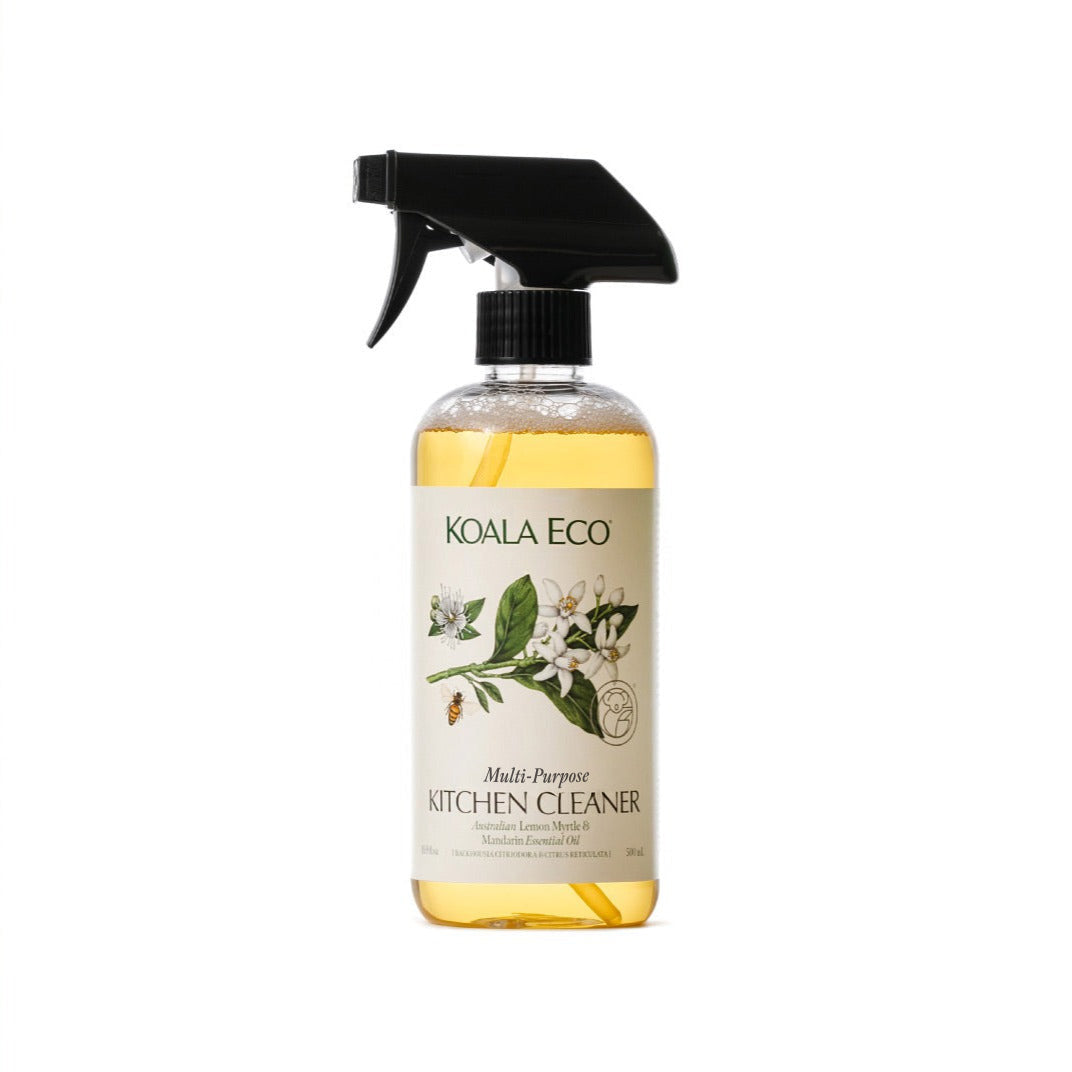
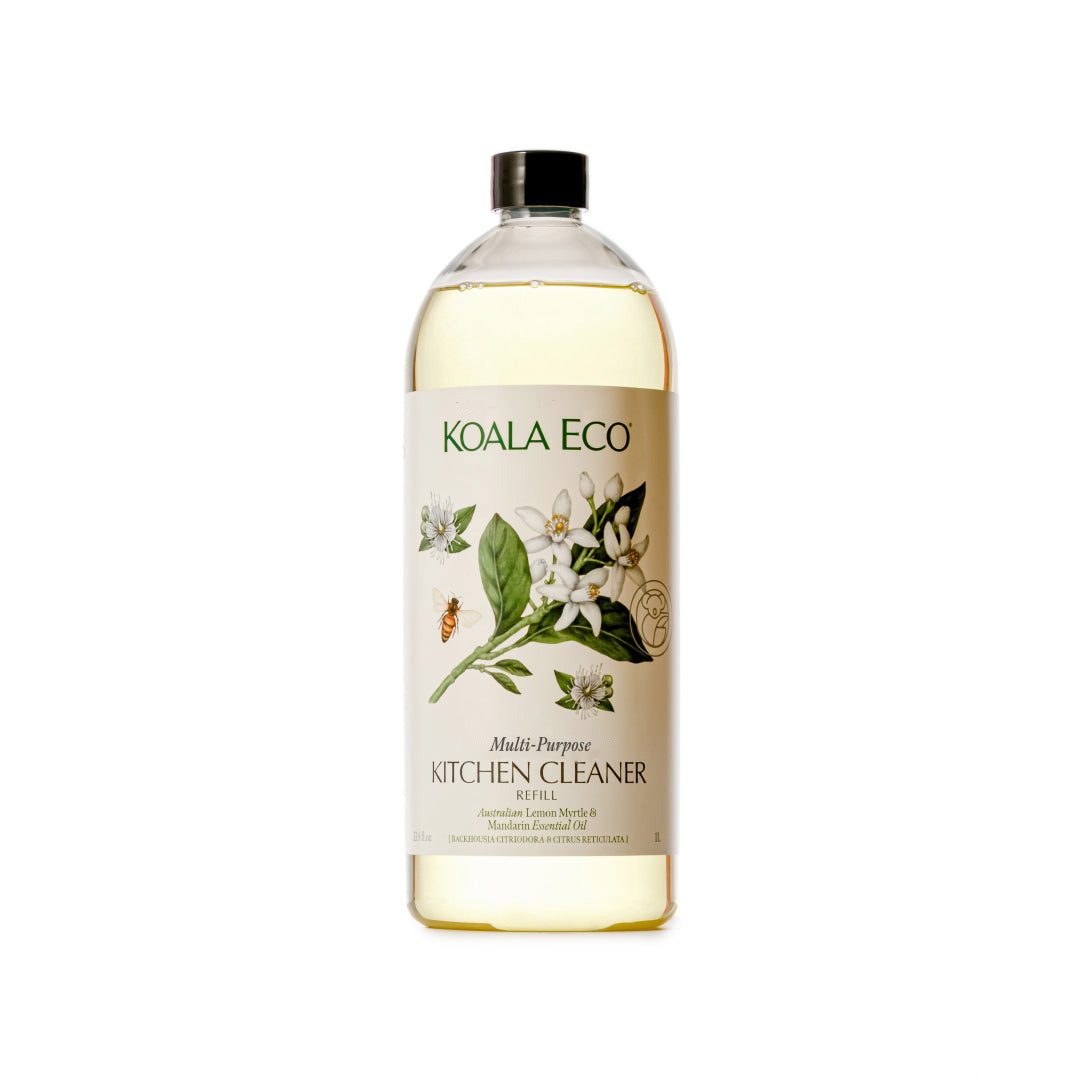
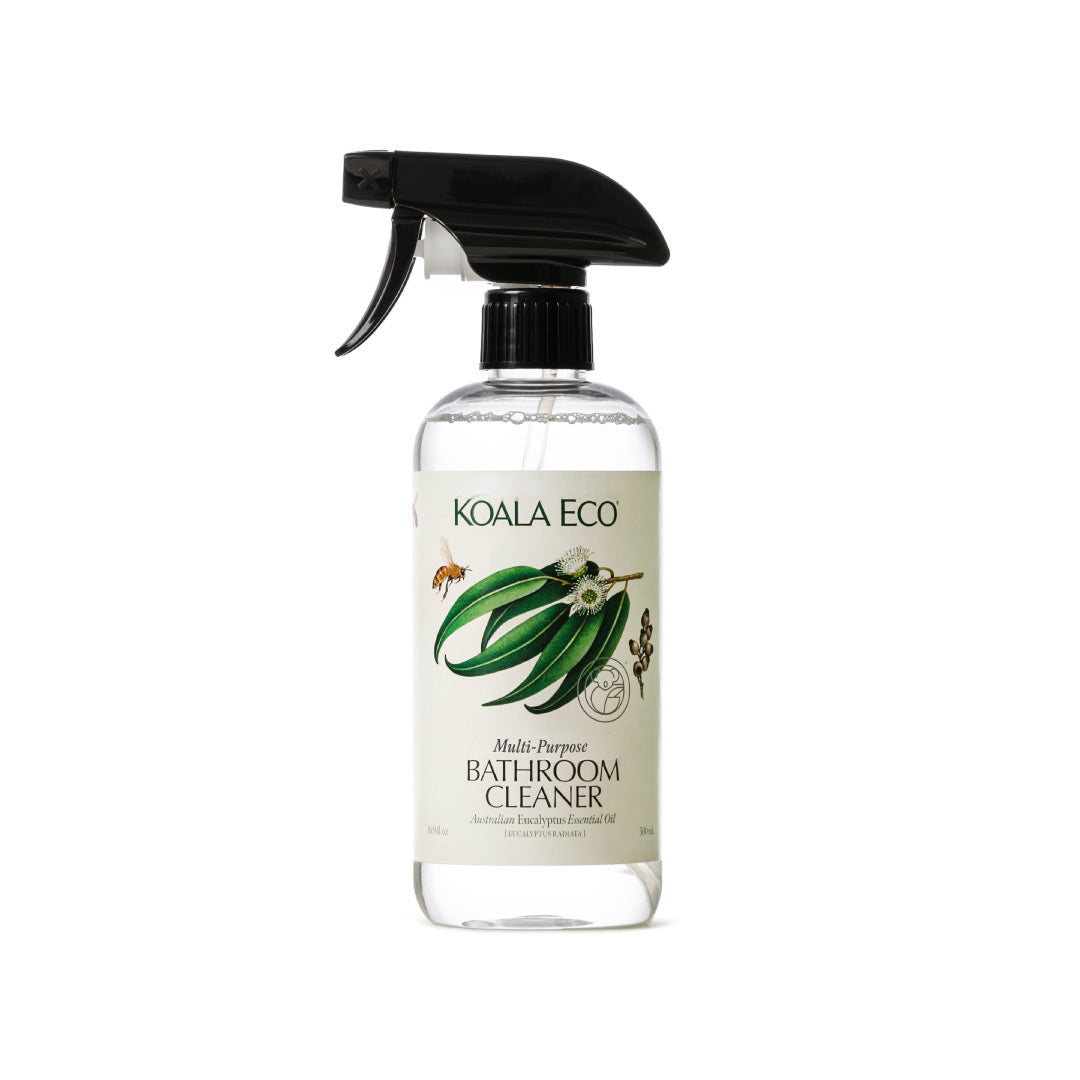
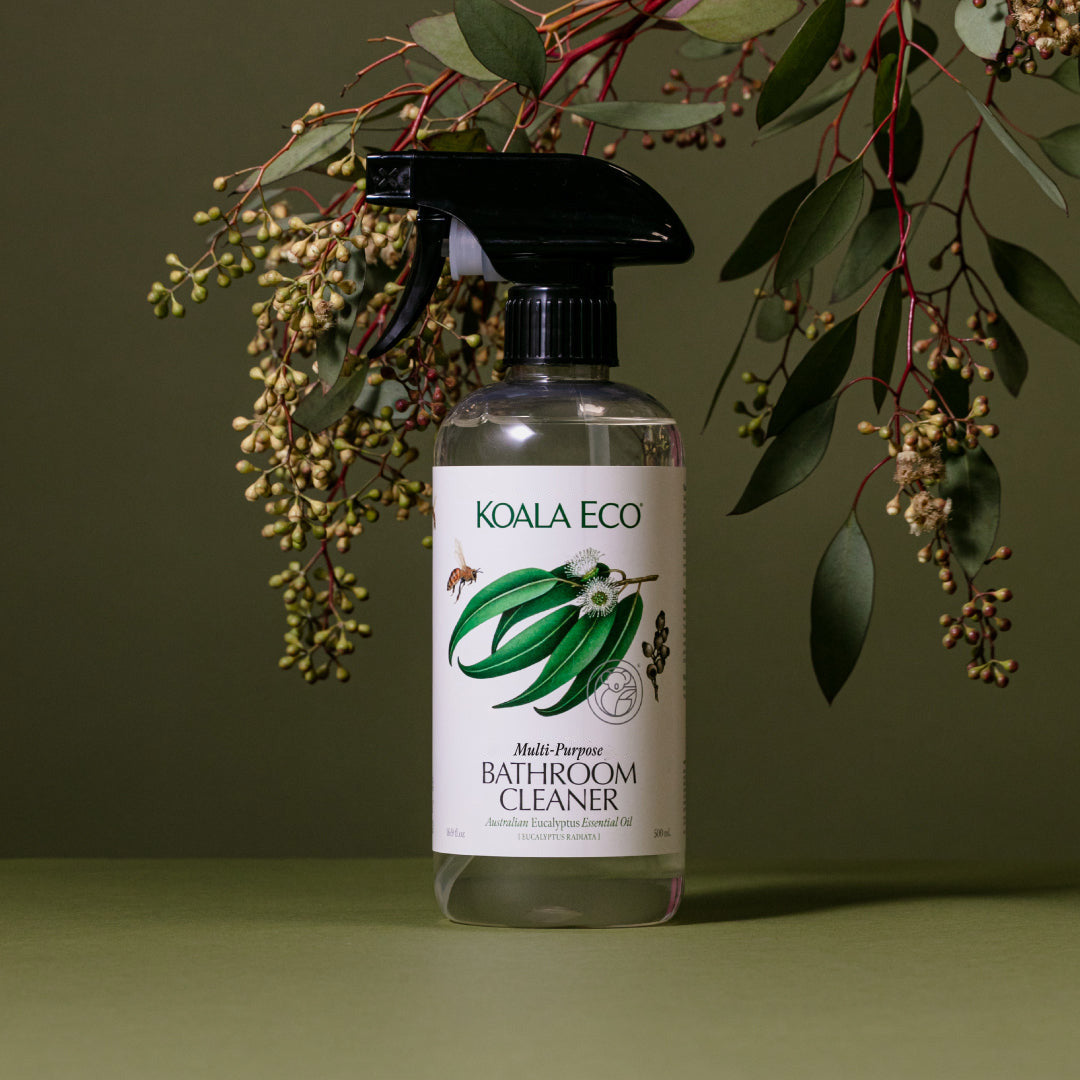
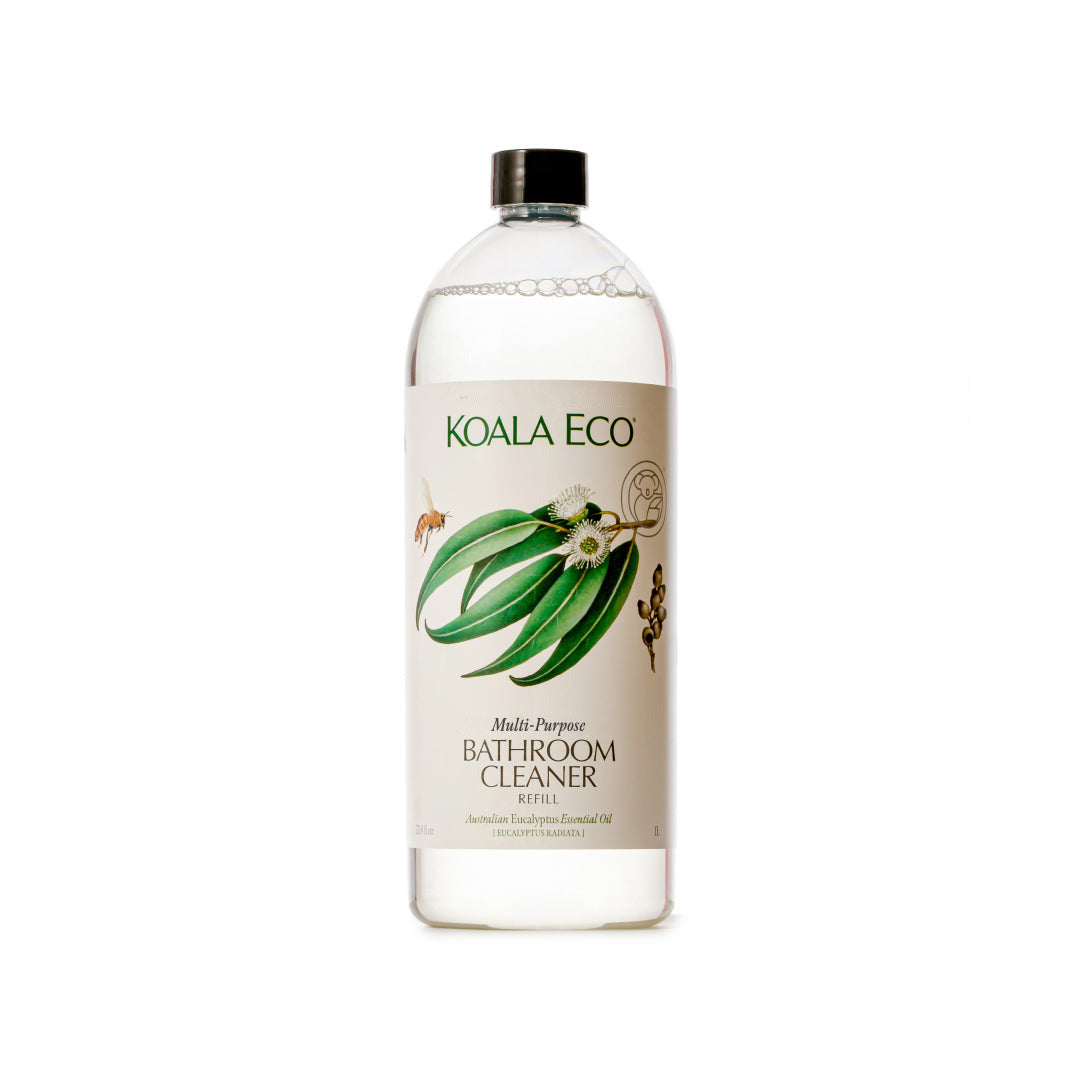
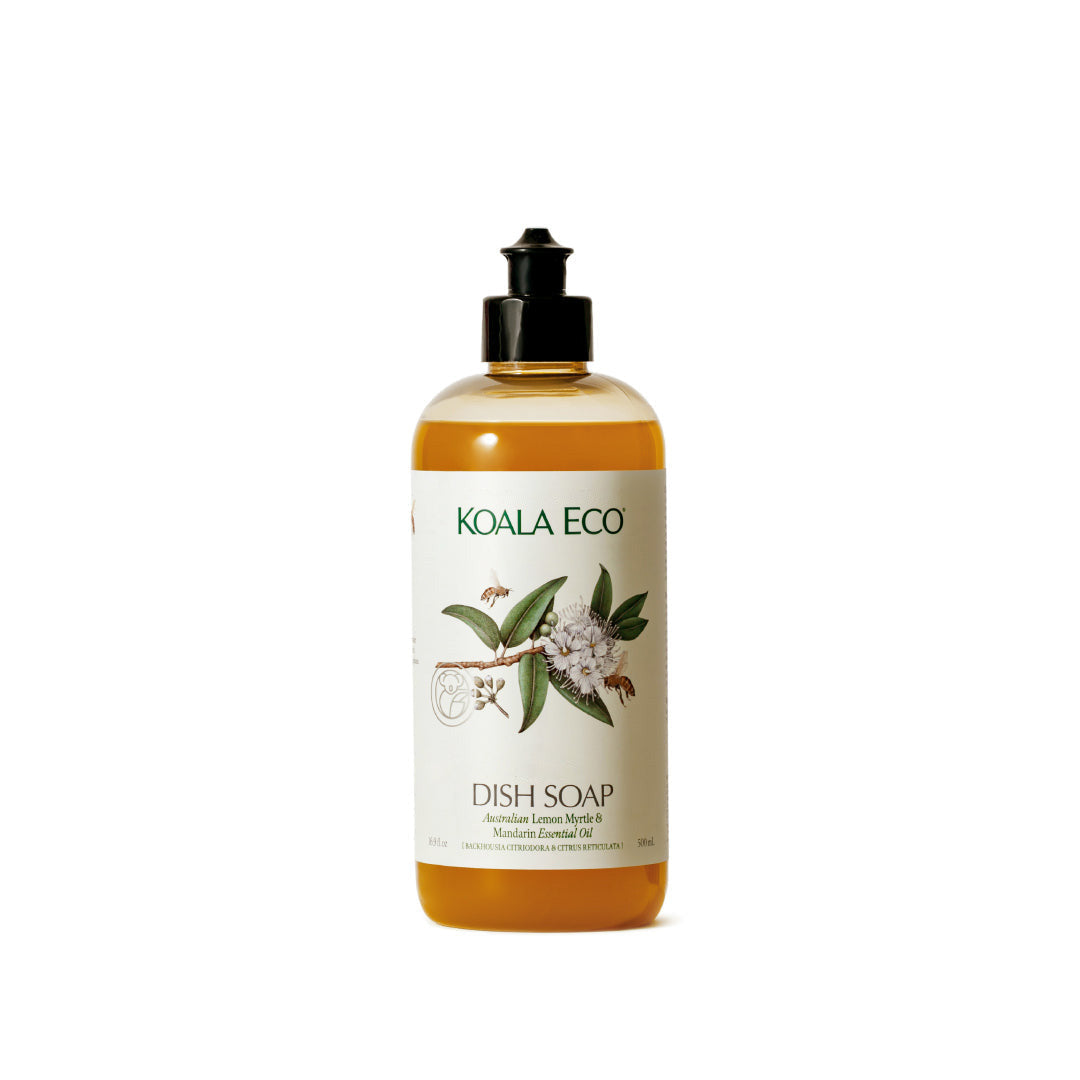
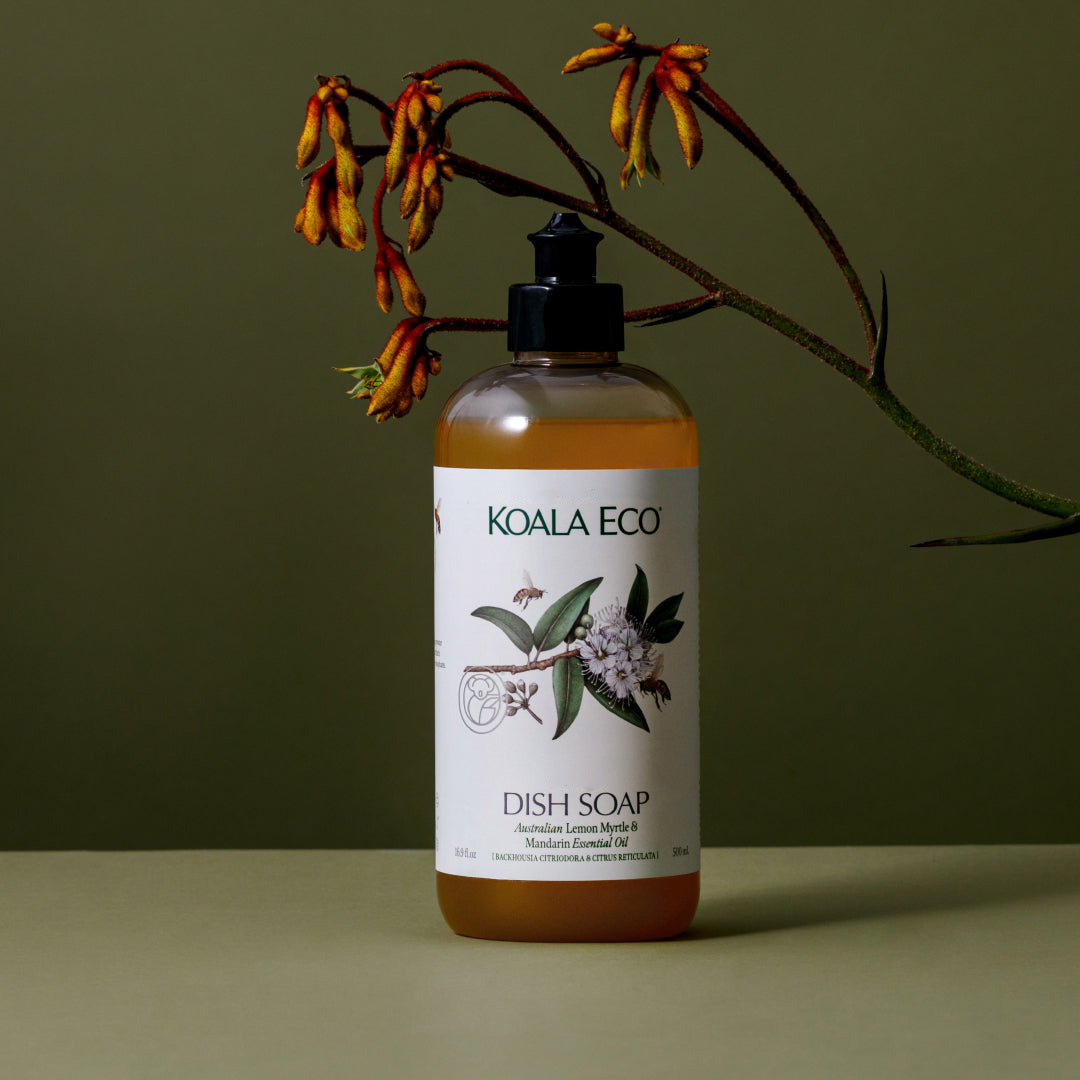
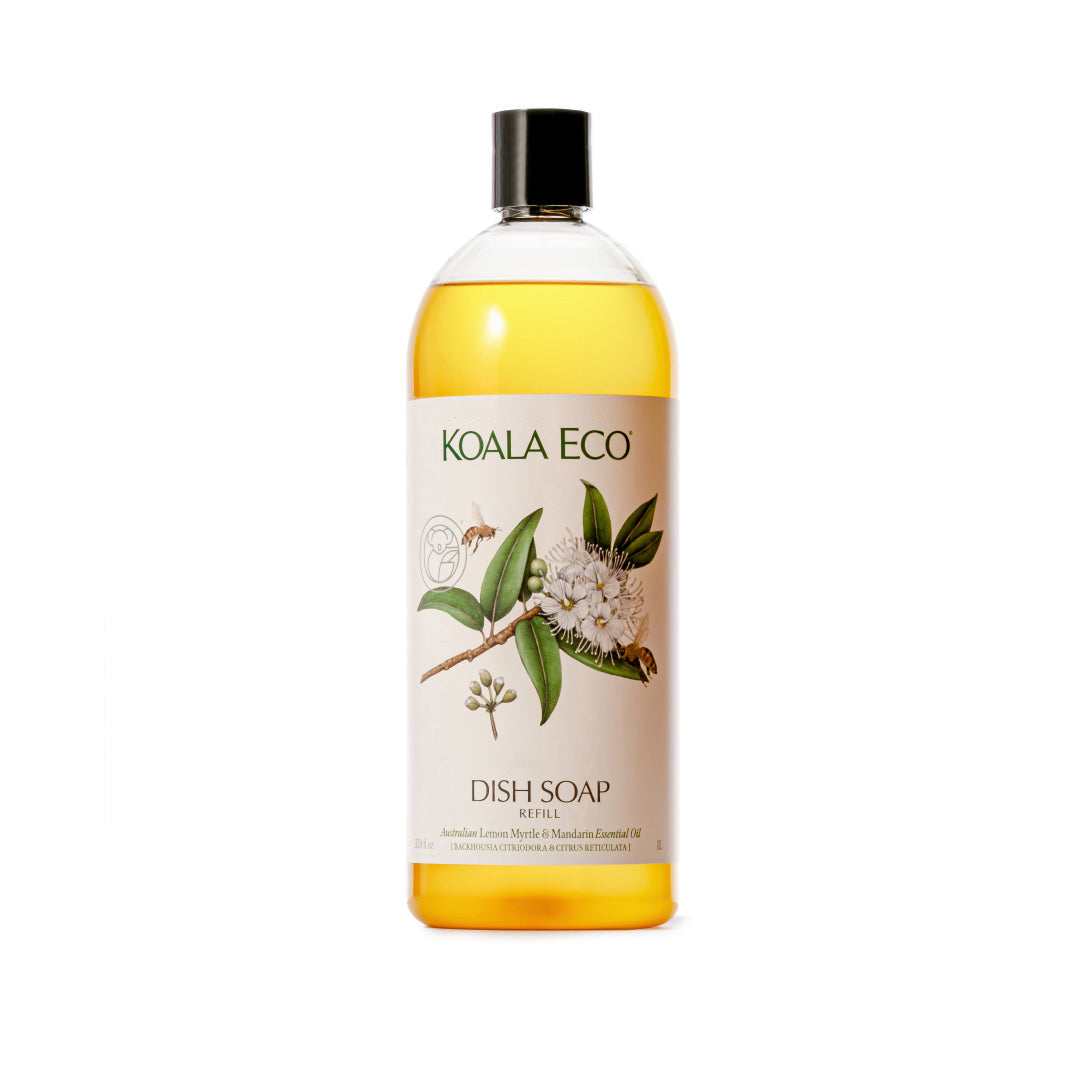
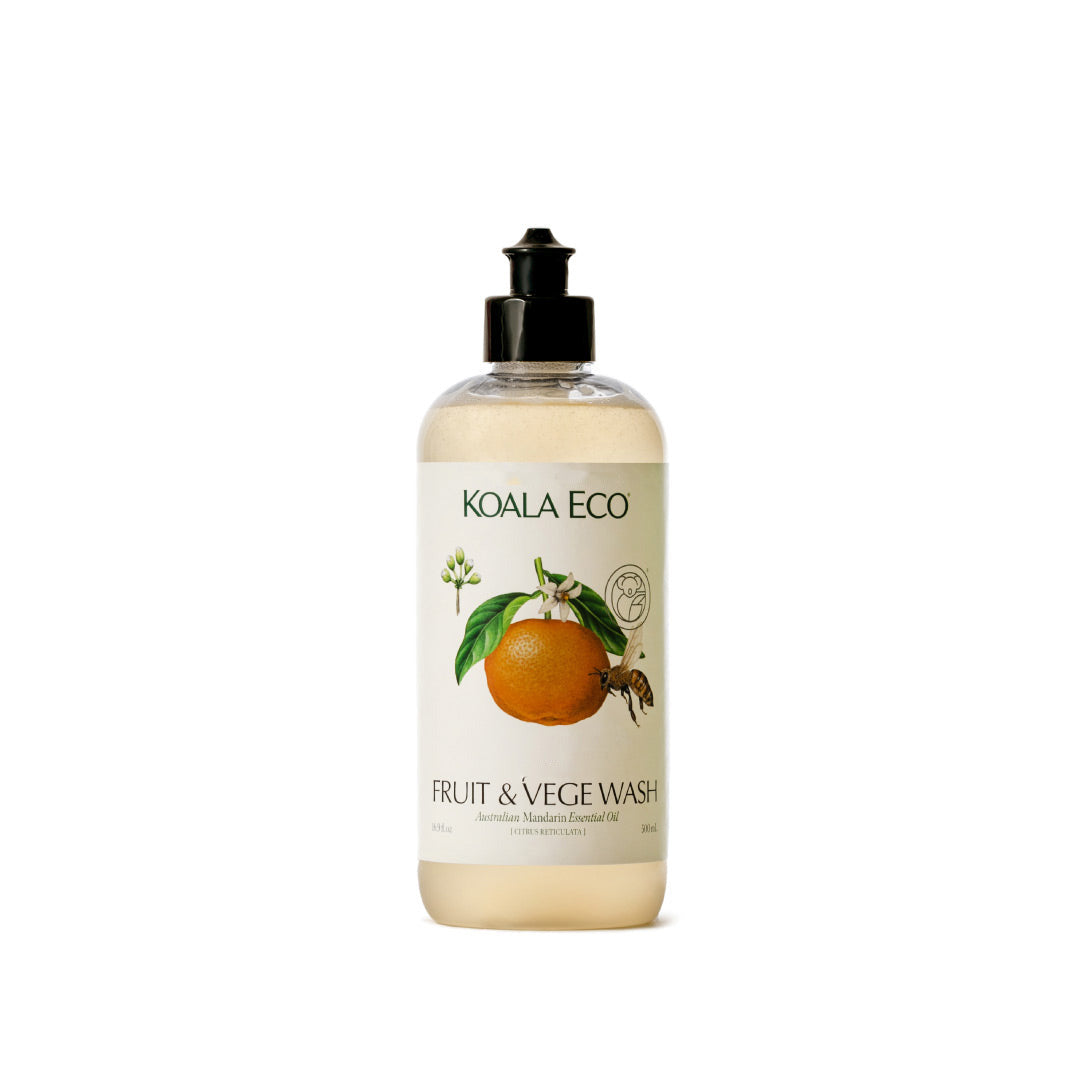
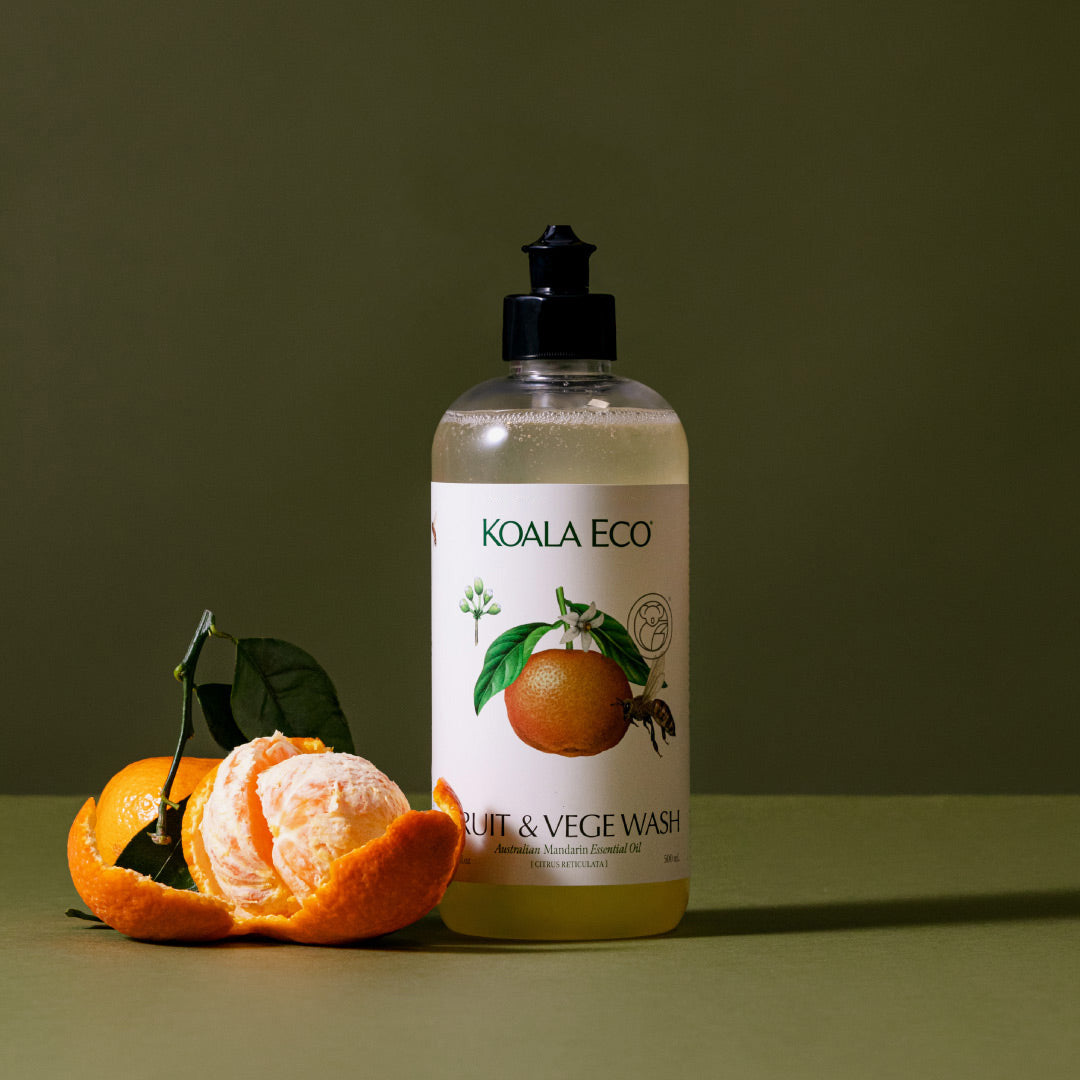
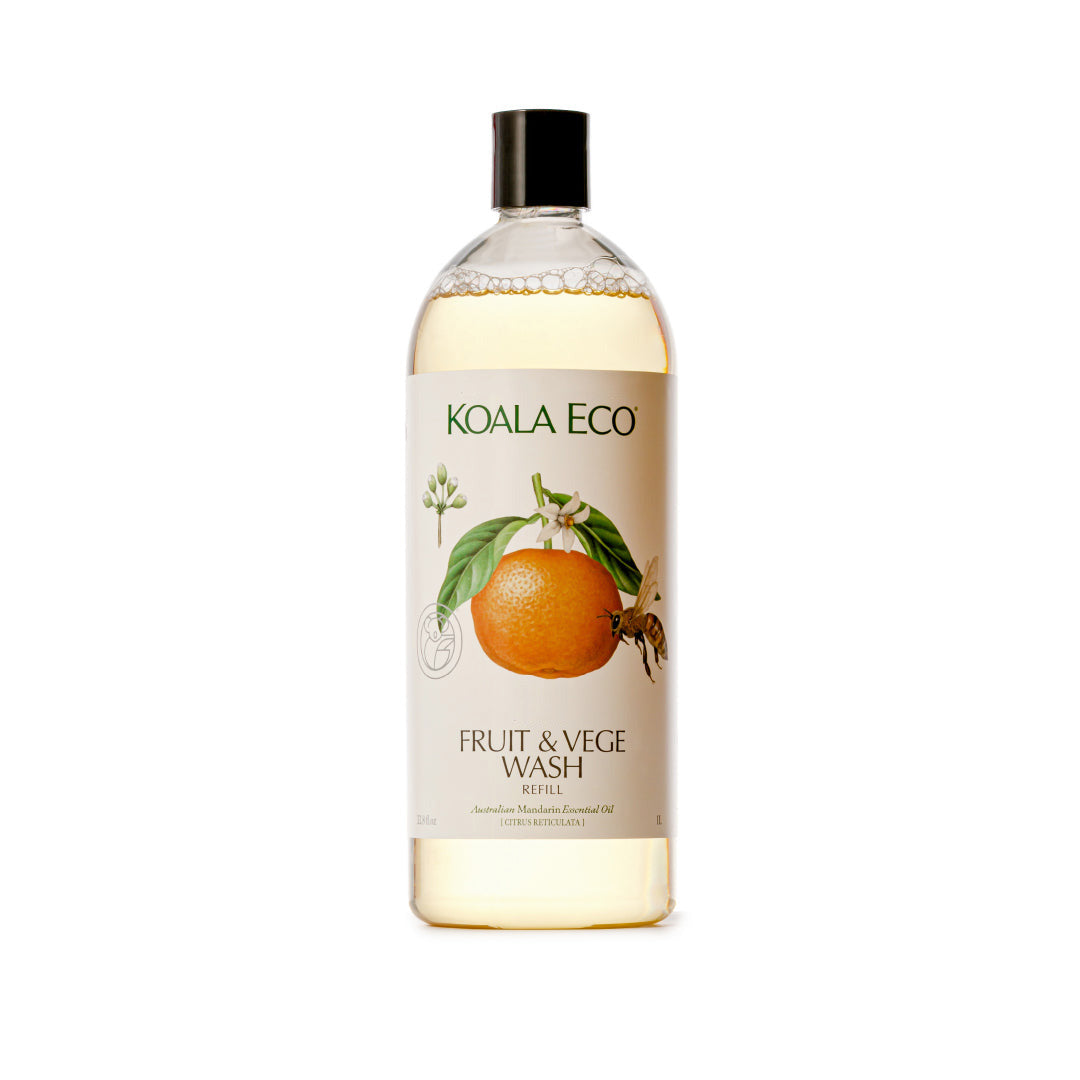
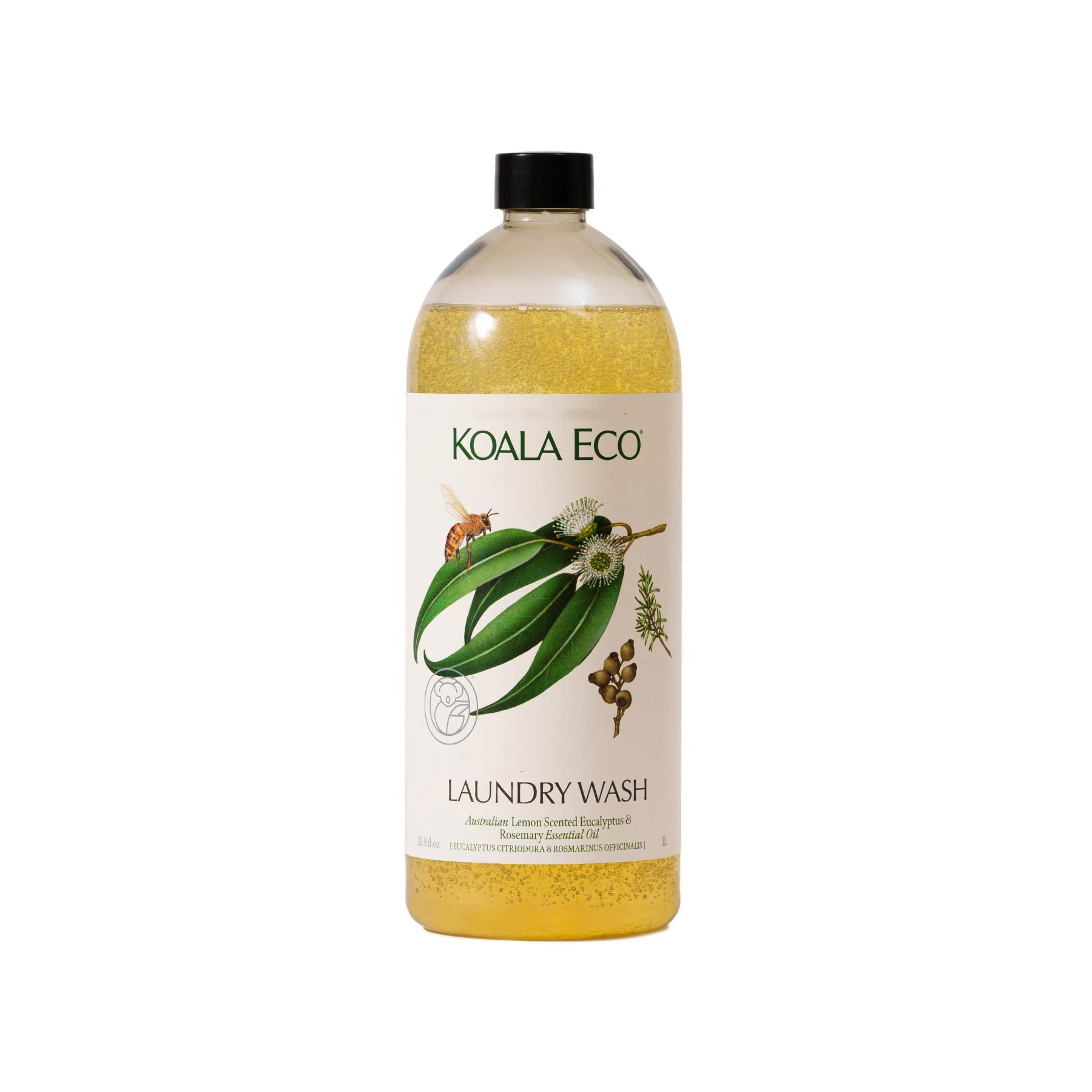
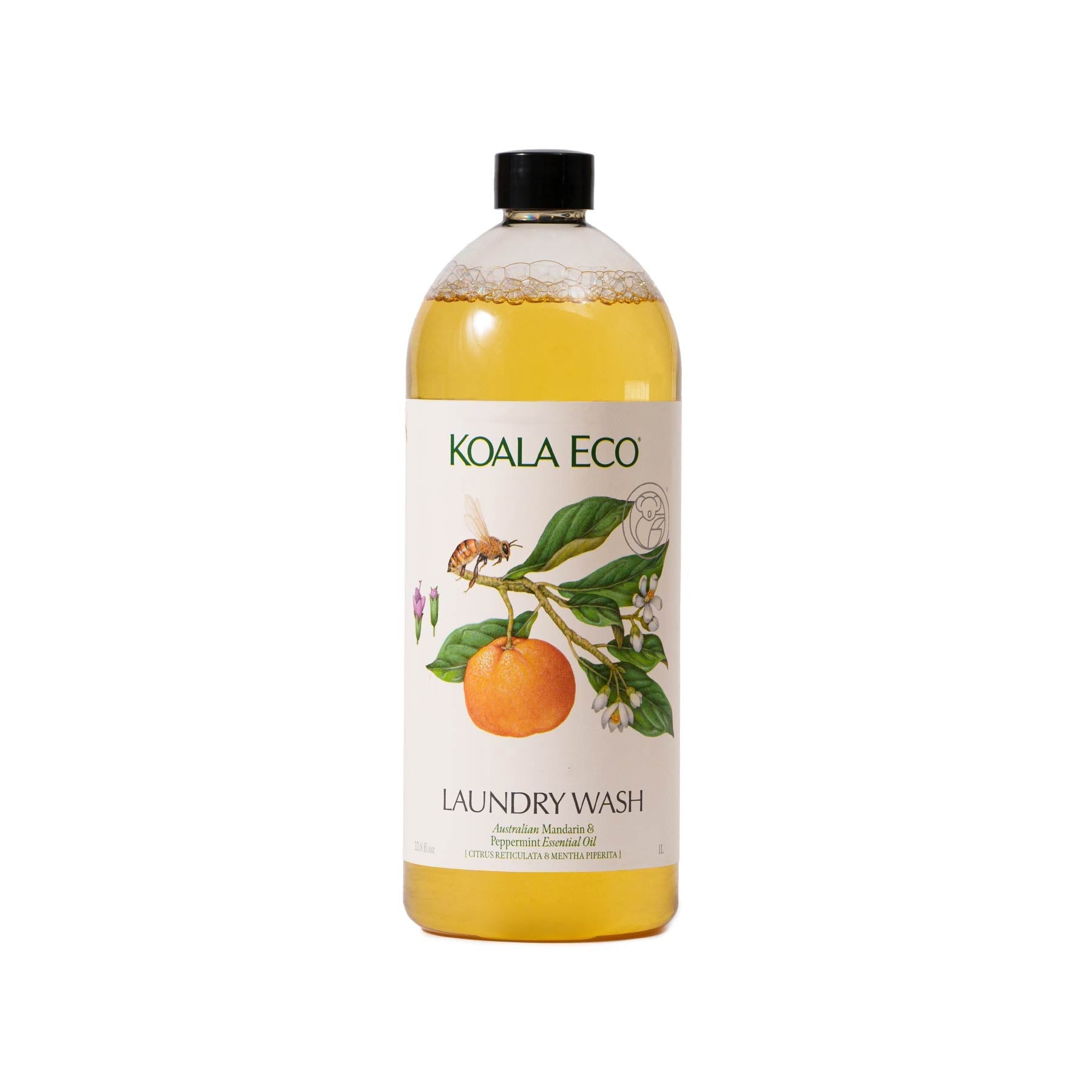
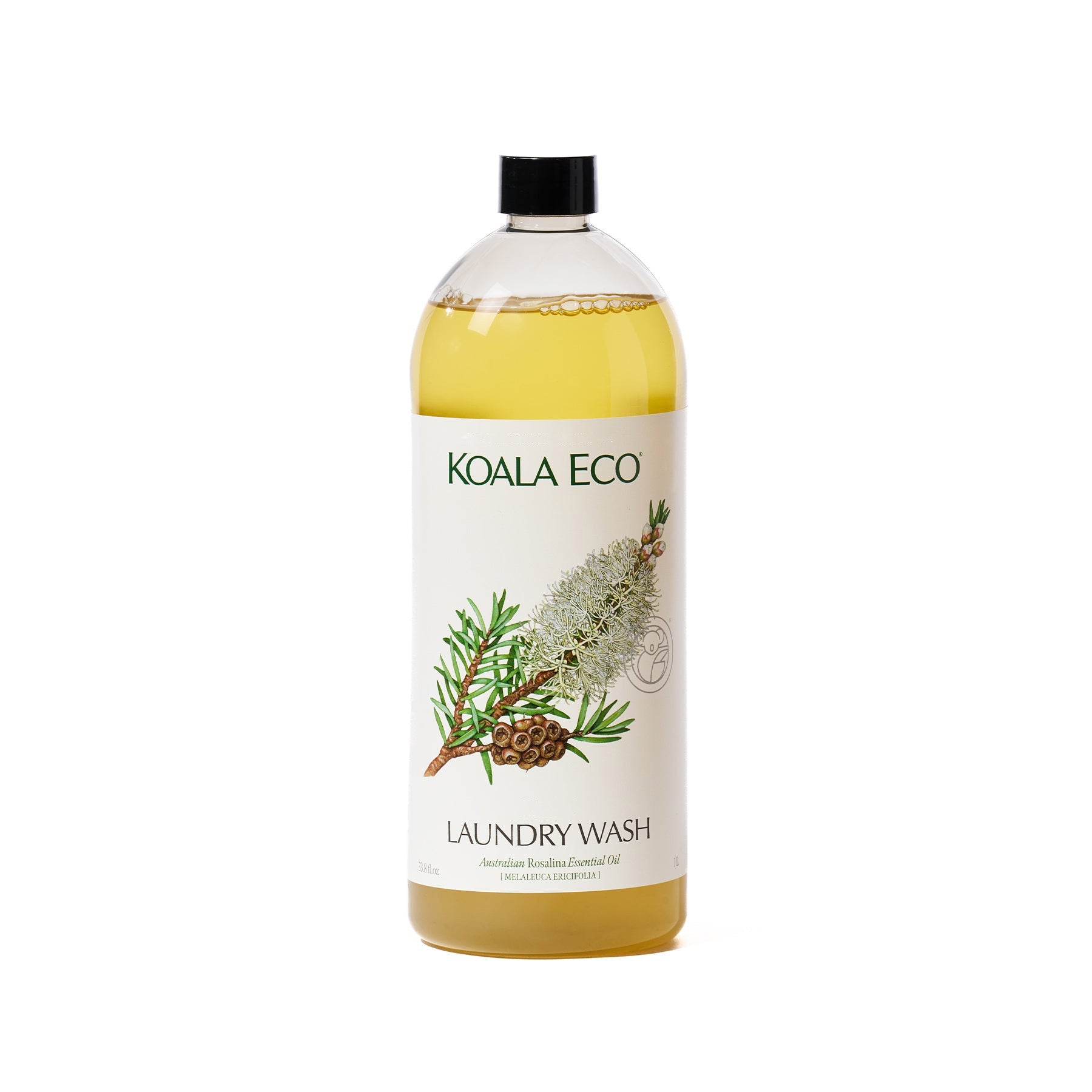
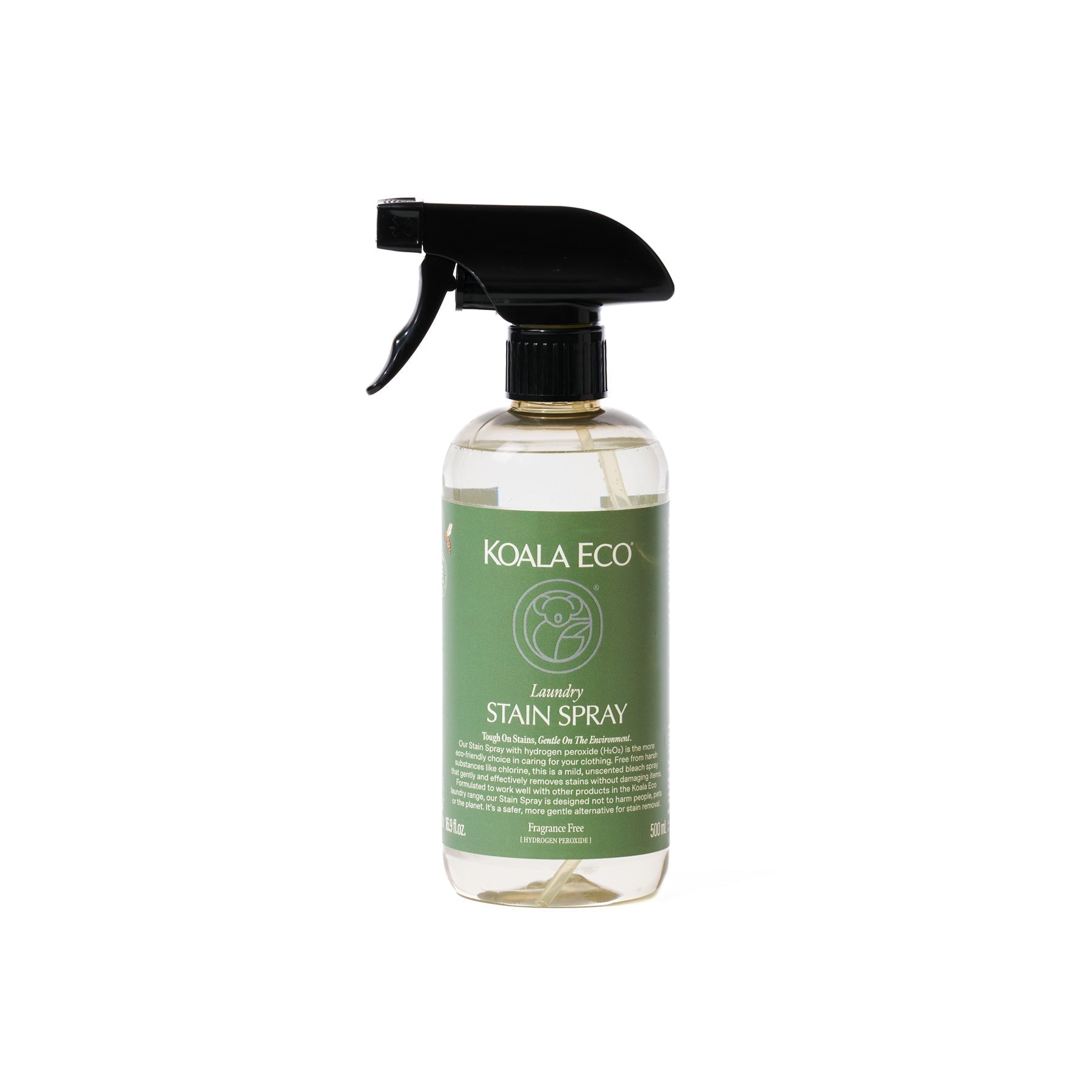
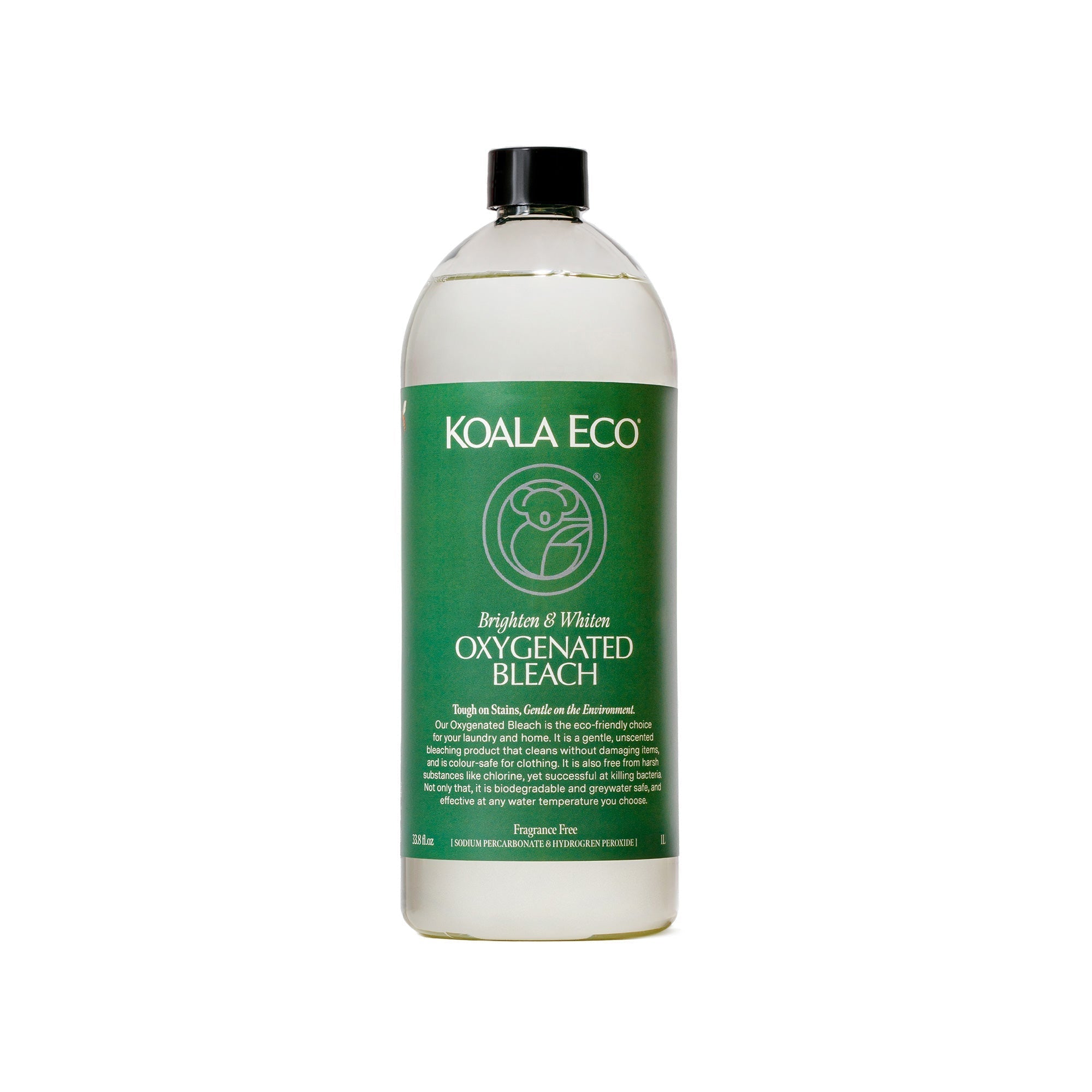
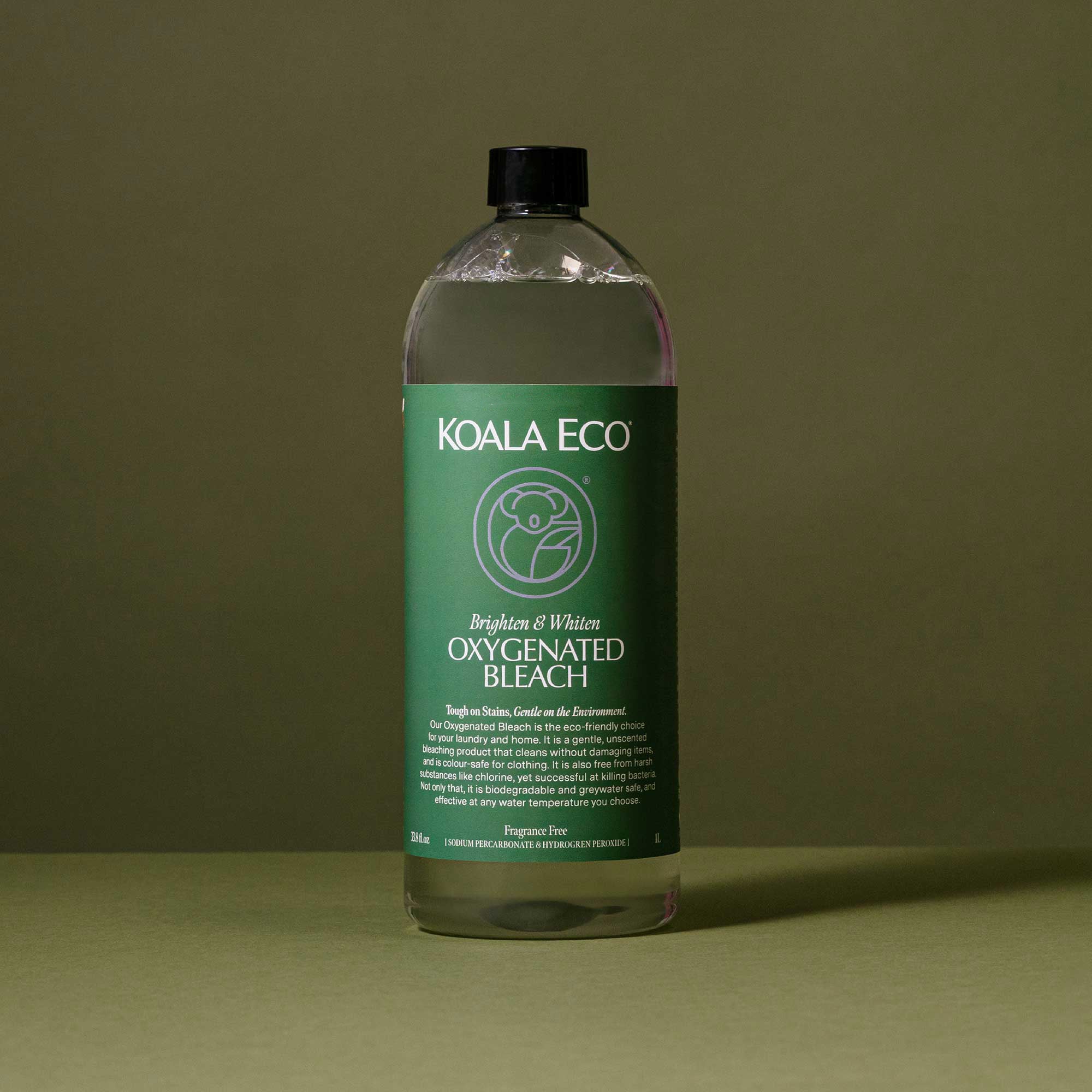
For sustainable businesses like Koala Eco, finding the right packaging was something that took years to perfect. Owner, Jessica Bragdon says it always bothered her that her 100 percent natural and biodegradable ingredients were going into packaging - while recyclable - were still made from virgin plastics. She also came up against issues with glass as well as refillable pouches until she finally lobbied her manufacturer (for over a year) to make her recycled plastic - or rPET – bottles.
We take a look at some of the pros and cons for different packaging options.
Glass
If you look at it as a simple comparison, glass is easier to recycle than other materials (as long as it is clear, coloured glass is harder to sort and break down), as it can be infinitely recycled without losing any quality or purity. It can also be cleaned and sterilised quickly for reuse. However, there can be issues with breakages during transport and the emissions it creates during transport and during production, in some cases, are greater than the emissions - or carbon footprint - of alternatives such as plastic and aluminium.
Virgin plastic
A lot has been written about plastic pollution and its worrying impact on marine life. But what you might not realise is plastic is also made from crude oil, of which there is a finite amount. According to the US Library of Medicine around four per cent of world oil and gas production is used as feedstock for plastics. When you think about the fact that most plastic goes towards making single-use items end up in landfill or our oceans within a year of being created, our current use of virgin plastic is not sustainable.
Recycled or rPET plastic
PET (recycled polyethylene terephthalate), is the process of recycling original PET containers (or aforementioned virgin plastic) into ‘new’ bottles. Not only is this a great example of recycling plastic that could have otherwise ended up in landfill, or worse as microplastics in our waterways, this post-consumer plastic, has a lower carbon footprint than virgin (or new) PET, and it can also be recycled.
Refillable pouches
Although pouches seem like a convenient alternative to plastic (of any kind), the problem lies in the tiny details. Pouches contain non-recyclable water proof seals which will end up in landfill. In addition, many pouches are made from non-recyclable materials. The onus for pouches is; read the fine print and only choose those which can be composted or (and this is less preferable) recycled as soft plastic.
Packaging checklist
- Opt for rPET plastic products over virgin plastic
- When choosing glass, clear glass is best, coloured glass is more difficult to recycle
- Refillable pouches may seem convenient, but unless they are entirely biodegradable in your home compost, they are worth avoiding